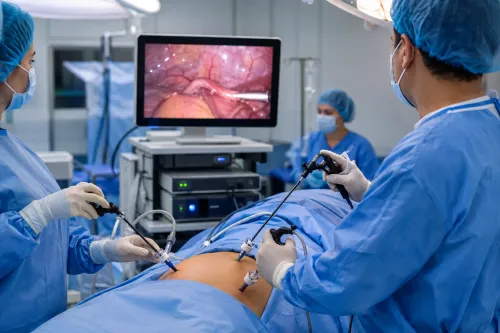

The thyroid is a small butterfly-shaped gland located at the front of the neck, but it plays a vital role in regulating metabolism, energy levels, heart rate, and body temperature. While many thyroid conditions can be managed with medication, certain situations require surgical treatment to prevent complications or improve quality of life.
Patients searching for Thyroid Surgery in Pune often have concerns about whether surgery is truly necessary and what recovery involves. Dr Mahesh B Jadhav carefully evaluates each patient through clinical examination, imaging, and appropriate investigations before recommending surgery only when it is medically indicated.
Not Every Thyroid Problem Needs Surgery
Many thyroid disorders, such as hypothyroidism or mild thyroid enlargement, can often be controlled with medicines and regular monitoring. Surgery is usually considered in specific situations, including:
- Large thyroid nodules causing pressure symptoms
- Suspicious or cancerous thyroid nodules
- Multinodular goitre
- Hyperthyroidism that does not respond to medication
- Difficulty swallowing or breathing due to an enlarged thyroid
The treatment plan depends on the diagnosis rather than the size of the swelling alone.
When Should You Consult a Surgeon in Pune?
A neck swelling should never be ignored, especially if it gradually increases in size.
You should seek medical evaluation if you notice:
- A lump in the front of the neck
- Difficulty swallowing
- Hoarseness of voice
- Persistent throat discomfort
- Pressure while lying down
- Rapid enlargement of a thyroid swelling
These symptoms do not always indicate a serious condition, but they deserve proper investigation.
How Is Thyroid Surgery Planned?
Before recommending surgery, the surgeon may advise:
- Blood tests to evaluate thyroid function
- Ultrasound examination
- Fine Needle Aspiration Cytology (FNAC)
- Additional imaging if required
These investigations help determine the nature of the thyroid condition and guide surgical planning.
Recovery After Thyroid Surgery
Recovery is generally straightforward when patients follow post-operative instructions.
Most patients are advised to:
- Resume light activities gradually
- Keep the incision clean and dry
- Attend follow-up appointments
- Take prescribed medications if required
- Report any unusual symptoms promptly
Many individuals return to their normal routine within a few weeks, depending on the extent of surgery.
Making the Right Decision
Thyroid surgery is recommended only after careful evaluation of the patient's symptoms and diagnostic findings. Early consultation helps identify the underlying cause of a thyroid swelling and allows treatment to be planned before complications develop. Understanding the available options enables patients to make informed decisions with greater confidence.
Keywords