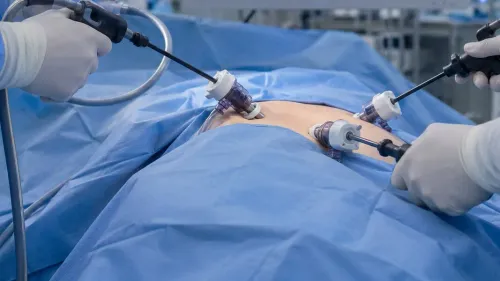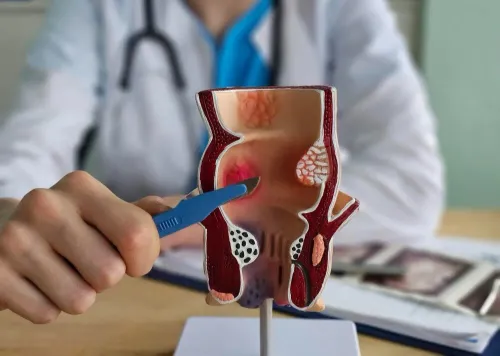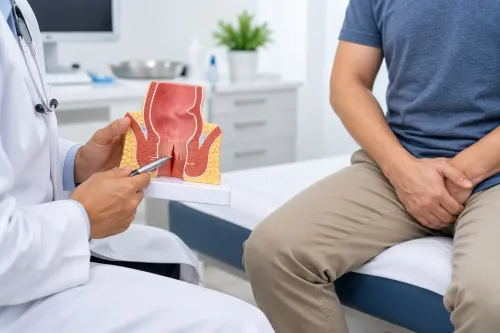
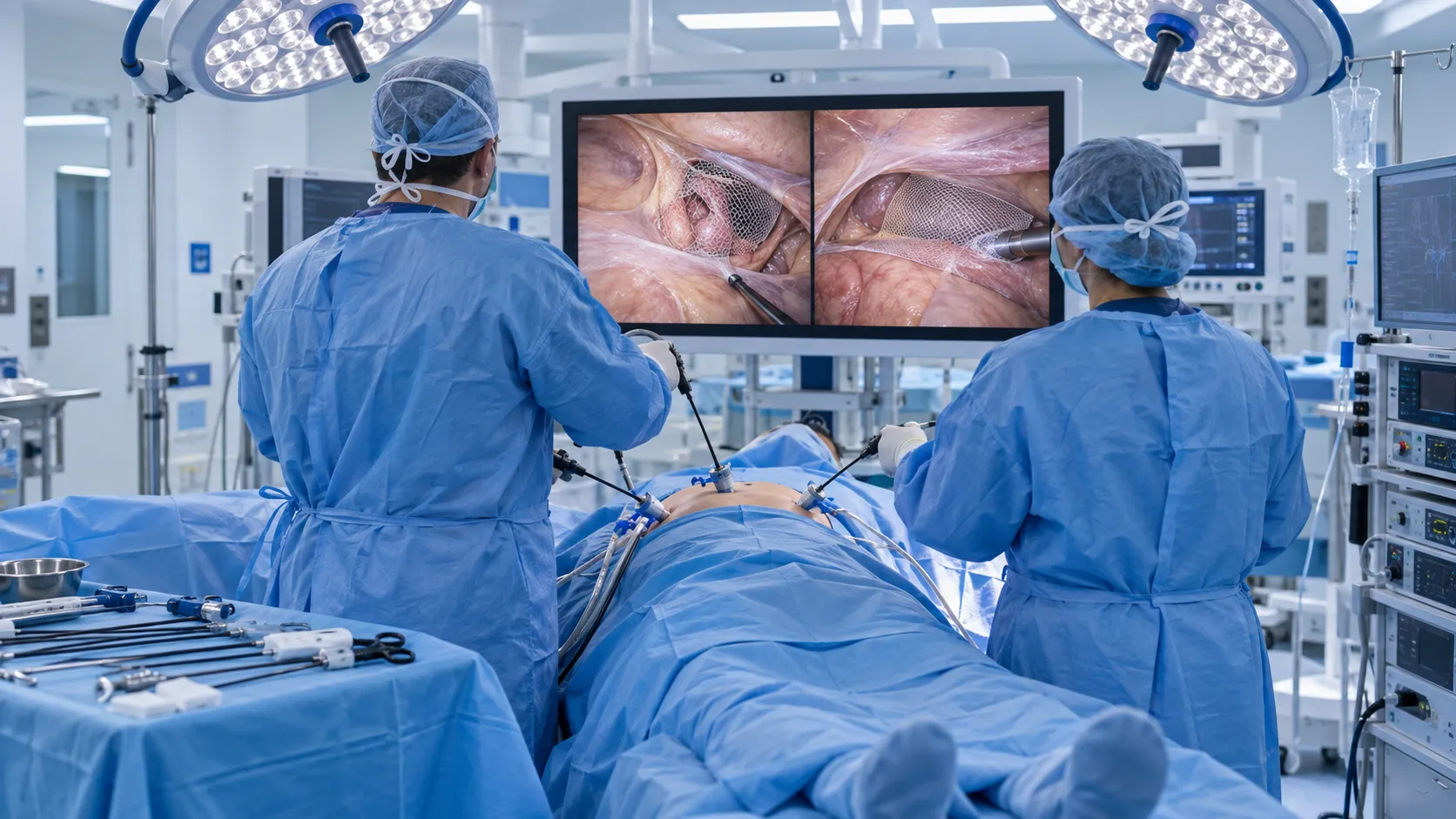
Patients researching laparoscopic groin hernia surgery often encounter the terms TEP and TAPP. Both are established minimally invasive approaches used for certain inguinal hernias, but they reach the weakened groin area through different anatomical pathways.
Understanding TEP and TAPP hernia repair in Pune can help patients have a more informed conversation with their surgeon without assuming that one technique is universally better.
What Is TEP Hernia Repair?
TEP stands for totally extraperitoneal repair.
During TEP surgery, the surgeon accesses the groin hernia through the space between the abdominal wall and the lining of the abdominal cavity. The abdominal cavity itself is generally not entered.
The hernia is reduced and mesh is positioned in the preperitoneal space to reinforce the weakened area.
TEP requires familiarity with this anatomical space because the operating field is different from that seen during conventional abdominal laparoscopy.
What Is TAPP Hernia Repair?
TAPP stands for transabdominal preperitoneal repair.
In this technique, the surgeon first enters the abdominal cavity using laparoscopic instruments. The lining over the groin area is then opened to reach the preperitoneal space. After the hernia is addressed and mesh is positioned, the lining is closed over it.
TAPP can provide a broad view of the internal groin anatomy and may allow inspection of the opposite side.
TEP and TAPP Compared
Both techniques aim to repair the weakness from the preperitoneal side and commonly involve mesh reinforcement.
The key difference is the route used to reach that space.
TEP avoids deliberate entry into the peritoneal cavity.
TAPP approaches the preperitoneal space from within the abdominal cavity.
For patients, the decision should not be reduced to which acronym sounds more advanced. The appropriate approach can depend on the hernia and the surgeon's assessment.
What Influences the Choice?
Several factors can influence technique selection:
- Whether the hernia is on one or both sides
- Whether it is a recurrent hernia
- Previous abdominal or pelvic surgery
- Hernia size and anatomy
- General health and anaesthesia considerations
- Intraoperative findings
- The surgeon's experience with the relevant approach
An open repair may also remain appropriate in certain situations.
What Should Patients Ask?
Before surgery, useful questions include whether the hernia has been clinically confirmed, why a laparoscopic approach is being recommended and which technique is planned.
Patients can also ask about mesh placement, anaesthesia, expected hospital stay, post-operative activity and warning signs that should prompt medical review.
This type of discussion is more valuable than focusing only on incision size.
Recovery After Laparoscopic Hernia Surgery
Recovery varies between patients and depends on the type of hernia and complexity of repair. Early walking is often encouraged, while strenuous exercise and heavy lifting are resumed according to the surgeon's advice.
Pain, swelling and bruising around the groin can occur after surgery and should be interpreted in the context of the individual operation.
Hernia Assessment in Pune
Dr Mahesh B Jadhav evaluates inguinal and other abdominal wall hernias for patients in Pune and surrounding areas. Where minimally invasive repair is suitable, the operative plan can be selected after considering hernia anatomy, previous surgery and individual health factors.
Patients from Wakad and the wider PCMC region may find local follow-up useful while returning gradually to work and regular activities.
TEP and TAPP are both valuable laparoscopic techniques. The more important question is not which procedure is universally superior, but which approach is appropriate for the patient's specific hernia and why the surgeon recommends it.
Keywords