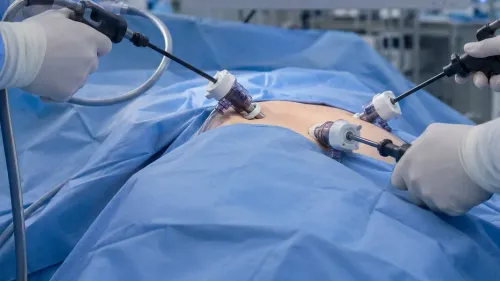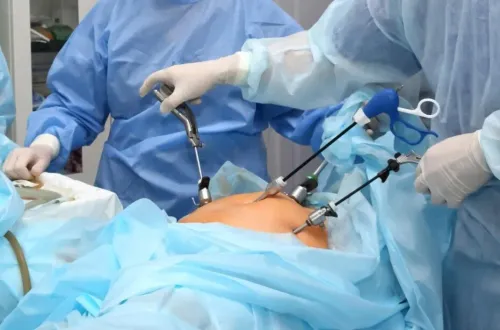

Choosing surgical care near Wakad involves more than finding a doctor who offers laparoscopic procedures. You need to confirm where consultation and surgery occur, recognise symptoms that require emergency assessment, and compare the proposed operation, alternatives, risks and follow-up plan before deciding.
Key takeaways
- Confirm Wakad consultations and operating privileges with the surgeon’s office and hospital switchboard.
- Seek emergency care for severe hernia pain, vomiting, obstruction or a firm, non-reducible bulge.
- Gallstones need surgery when symptoms or complications justify it; incidental stones often need observation.
- Do not eat or drink before appendicitis assessment unless emergency clinicians instruct you otherwise.
How to verify a general surgeon and hospital in Wakad
Confirm the surgeon’s actual Wakad presence through two independent sources: the surgeon’s office and the hospital switchboard. A listing that says “general surgeon in Wakad” does not prove that the doctor consults, admits patients or operates there.
- Check the surgeon’s Maharashtra Medical Council registration and ask the clinic for fixed consultation days, the exact Wakad address and a written appointment confirmation.
- Call the named hospital and ask whether the surgeon currently consults there, performs hernia, gallbladder or appendix operations there, and admits patients under that name.
- Request the operating hospital’s full name, address and emergency contact. Confirm whether imaging, blood tests, anaesthesia, recovery monitoring and pathology are available on site.
- Ask who provides anaesthesia, whether an emergency team is available overnight, and where you would go if fever, bleeding, vomiting or severe pain develops after discharge.
- Confirm who conducts follow-up and where it occurs. Include the travel time for surgeon consultation in Wakad, scans, admission, surgery and postoperative review.
- If the surgeon mentions a hospital for laparoscopic surgery or an operating facility in Pune outside Wakad, ask why that site is used and whether transfer is required for complications.
Check the facility’s current NABH status if it claims accreditation, and inspect the certificate or verify it through the NABH directory. Before booking, obtain the proposed operation, open-versus-laparoscopic plan, likely admission duration and a written number for urgent help.
Choosing open or laparoscopic hernia repair—and recognising an emergency
For hernia surgery in Wakad, choose the operation after examination, imaging when needed, and an anaesthesia-risk assessment—not from “keyhole” branding. A groin, navel, ventral or scar-site bulge may be watched only when symptoms are minimal and a clinician confirms low risk.
Women with groin lumps need careful assessment because femoral hernias have a higher strangulation risk.
| Approach | Best fit | Important limitation |
|---|---|---|
| Laparoscopic hernia repair | Bilateral or recurrent inguinal hernias after open repair; selected larger ventral or incisional hernias | Dense adhesions, severe inflammation, unsafe anatomy, or inability to tolerate abdominal gas may favour open surgery. Conversion protects safety. |
| Open hernia repair | Many first-time, one-sided inguinal hernias; small umbilical defects; large or complex ventral and incisional hernias | Recovery can involve more wound discomfort. Mesh repair for inguinal hernia usually lowers recurrence, but discuss chronic groin pain, numbness, urinary problems, infection and recurrence. |
| Immediate hospital assessment | Any suspected obstruction, strangulation or rapidly worsening hernia | Do not wait for an outpatient appointment; the bowel may be losing its blood supply. |
Go to hospital immediately for:
- A bulge that is suddenly painful, firm or impossible to push back
- Vomiting, abdominal swelling, or inability to pass stool or gas
- Red, purple, blue or black skin over the lump
- Fever, faintness, or rapidly increasing pain
Prior operations, recurrence, hernia size, general fitness and anaesthesia risk determine the final choice. Ask what happens if the surgeon cannot identify structures safely, and who provides urgent postoperative review.
Which gallbladder findings need surgery, tests or observation?
Ultrasound usually makes the first decision: it shows stones, gallbladder-wall thickening, fluid around the gallbladder and bile-duct diameter. Symptomatic gallstones causing repeated right-upper-abdominal pain after meals, especially with nausea, usually need elective laparoscopic gallbladder removal; diet changes may reduce attacks but do not remove stones.
| Finding | Usual decision | What changes the decision |
|---|---|---|
| Silent stones with no symptoms | Observation | Review if a large polyp, porcelain gallbladder or another high-risk feature is present |
| Typical biliary pain with stones | Elective surgery | Recurrent attacks, complications or inability to manage symptoms favour gallbladder removal |
| Fever, constant right-upper-abdominal pain, tenderness or vomiting | Urgent assessment for acute cholecystitis | A fit patient is usually offered laparoscopic cholecystectomy during the same admission or within one week |
| Jaundice, dark urine, pale stools, pancreatitis, a widened bile duct or abnormal liver function tests | Bile-duct assessment | MRCP and liver function tests help identify a common bile-duct stone; ERCP is used to remove a confirmed obstructing stone |
Acute cholecystitis can worsen through infection, tissue damage or perforation, so do not wait for a routine clinic appointment when pain is severe, persistent or paired with fever or jaundice. A normal ultrasound does not cancel concerning symptoms; your clinician may repeat imaging or order blood tests.
Before booking gallbladder surgery in Wakad, ask whether the findings support observation, elective removal or hospital treatment, and what happens if the operation must be converted from laparoscopic to open surgery.
How to triage suspected appendicitis before reaching a surgeon
Seek emergency assessment now if pain is severe or worsening, especially after starting near the navel and moving to the lower right abdomen. Do not wait for a routine appointment if you have these appendicitis emergency symptoms:
- A rigid or very tender abdomen, pain with movement, or pain spreading across the abdomen
- Repeated vomiting, inability to keep fluids down, fainting, confusion or marked weakness
- Fever with chills, a fast heartbeat, abdominal swelling, or inability to pass stool or gas
- Pregnancy, significant immune suppression, or sudden deterioration after temporary pain relief
Do not take laxatives or apply heat to the abdomen. Avoid food and drink while arranging urgent medical assessment, because surgery or anaesthesia may be needed.
| Condition | Usual treatment | What changes the plan |
|---|---|---|
| Uncomplicated appendicitis | Laparoscopic appendectomy during the admission; antibiotics alone for selected patients | An appendicolith, recurrence risk or deterioration favours surgery |
| Perforated appendix | Urgent hospital care, intravenous fluids, antibiotics and source control, usually surgery | Generalised peritonitis requires faster operative treatment |
| Appendiceal abscess | Antibiotics and image-guided drainage when suitable | Surgery follows if drainage fails or sepsis persists |
| Appendicular mass | Hospital observation, antibiotics and repeat assessment | Persistent symptoms may require surgery; interval appendectomy is considered selectively after recovery |
For appendix surgery in Wakad, ask Dr Mahesh B Jadhav how imaging, hospital admission and emergency cover will be arranged if your condition shifts from uncomplicated appendicitis to perforation or an abscess.
Related services
Surgical Care Laparoscopic Gall Bladder Surgeries ₹600 we provide comprehensive laparoscopic care opd consultation..and further line of action from initial consultatation till discharge and post procedure... View service → |
Surgical care ₹600 Laparoscopic hernia repair is a minimally invasive procedure used to treat inguinal, umbilical, ventral, incisional and selected recurrent hernias. View service → |
What to confirm before scheduling surgery and leaving follow-up unclear
Do not schedule elective surgery until the proposed operation and its aftercare appear in writing. The plan should name the diagnosis, operation, open or laparoscopic approach, alternatives, and what happens if you choose observation or no immediate surgery.
- Ask which anaesthesia is planned, who will provide it, and how your medical conditions, medicines, allergies and fasting instructions change the risk.
- For hernia repair, request the hernia mesh policy: whether mesh is recommended, what tissue repair would involve, how mesh is fixed, and how chronic groin pain, numbness, urinary difficulty, infection and recurrence will be managed.
- Ask when laparoscopy would be converted to an open operation. Severe inflammation, unclear anatomy or uncontrolled bleeding can make conversion the safer choice; it does not by itself indicate negligent care.
- Ask whether removed tissue, including a gallbladder, appendix or thyroid specimen, will go to a pathology laboratory, when the report is expected, and who will explain it.
- Record the surgery complication reporting process, including whom to contact if bleeding, fever, worsening pain, vomiting, breathing trouble or wound problems develop.
The written postoperative follow-up plan should state the first review date, wound and activity instructions, expected test results, medication changes, and a 24-hour emergency contact. Confirm who reviews you if the operating surgeon is unavailable and where urgent assessment will occur. Do not leave these answers as verbal promises.
Frequently asked questions
How can you verify that a general surgeon actually practises in Wakad?
Call the surgeon’s office and the hospital switchboard independently. Confirm consultation hours, hospital admission rights and whether the surgeon operates at that facility.
When is laparoscopic hernia repair preferable to open repair?
The choice depends on hernia location, size, previous operations, recurrence, anaesthetic risk and surgeon expertise. Ask which approach fits your anatomy and why.
When does a hernia become an emergency?
Seek urgent care for a painful bulge that cannot be pushed back, worsening pain, vomiting, abdominal swelling, fever or inability to pass stool or gas.
Which gallbladder findings require surgery?
Recurrent biliary pain, acute cholecystitis, pancreatitis or bile-duct obstruction commonly require surgical assessment. Gallstones found without symptoms often need observation rather than immediate surgery.
How should you respond to suspected appendicitis before seeing a surgeon?
Seek prompt emergency assessment for worsening right-lower-abdominal pain, fever, vomiting or loss of appetite. Avoid laxatives and do not delay care to arrange a routine appointment.
Related service
Surgical Care ₹600 Robotic surgery is a minimally invasive technique used across many specialties. View service → |