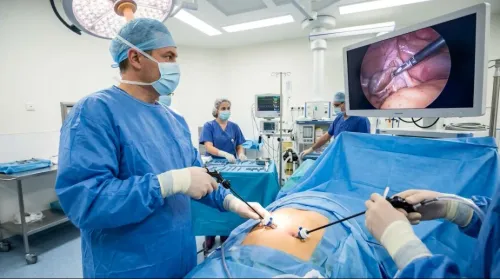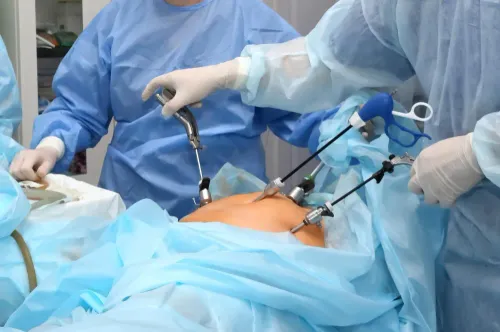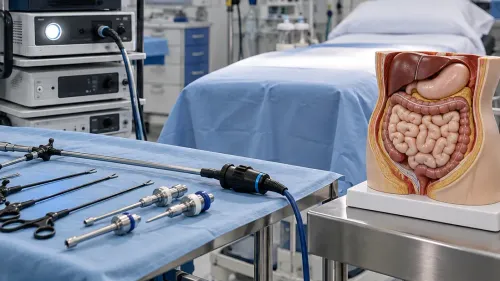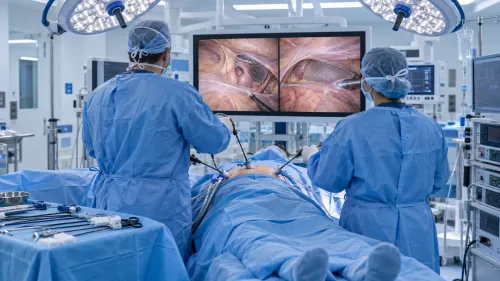
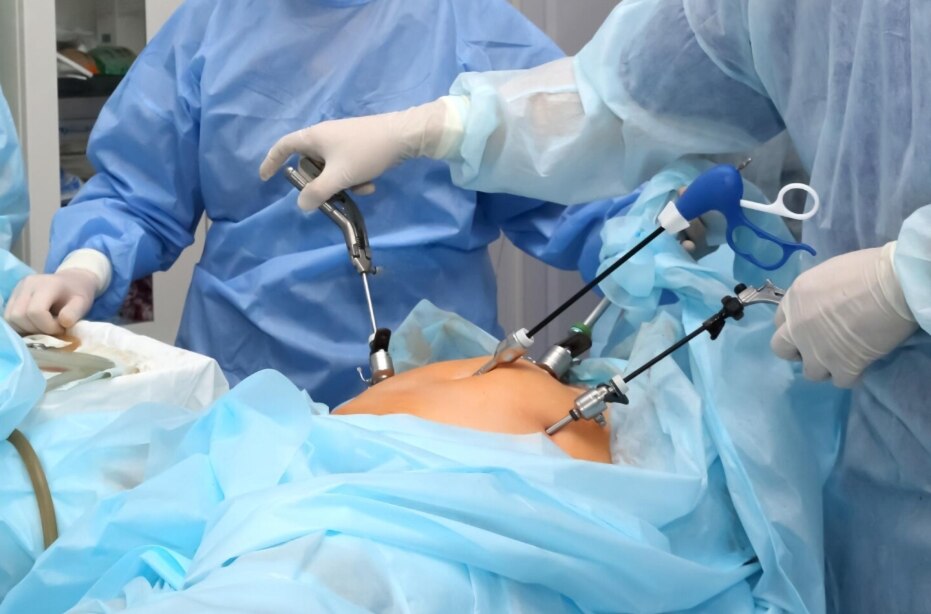
Choosing a laparoscopic surgeon in Pune requires more than comparing online ratings or counting procedures listed on a website. You will be able to assess procedure-specific experience, hospital capability, treatment alternatives, safety planning and recovery support before choosing whom to consult.
Key takeaways
- Choose experience with your specific diagnosis, not reputation alone.
- Compare laparoscopic, open and robotic surgery for your condition.
- Verify credentials, hospital facilities and complication-management arrangements.
- Ask about risks, admission, recovery time and alternatives before consenting.
What makes a laparoscopic surgeon the right choice for your operation?
The best laparoscopic surgeon in Pune for you is the one who regularly treats your diagnosis, understands your anatomy and medical risks, and can manage complications—not simply the surgeon with the widest public reputation. Judge laparoscopic surgeon selection by procedure-specific experience and surgical outcomes.
Ask for evidence relevant to your operation:
- Current registration with the Maharashtra Medical Council and recognised postgraduate surgical training
- Focused laparoscopic training or fellowship relevant to the procedure
- The number of times the surgeon performed that operation recently
- Rates of conversion to open surgery, complications, readmission and reoperation for that procedure
- Hospital privileges and access to anaesthesia, imaging, blood products, pathology, intensive care and emergency re-operation
A surgeon who reviews your scans, previous abdominal operations, medicines, obesity, heart or lung disease and anticoagulant use is assessing suitability rather than delaying treatment. These factors can increase adhesions, anaesthetic risk, conversion to open surgery or the need for a longer admission.
For gallstones, ask why your symptoms match the ultrasound finding and what benefit removal is expected to provide; asymptomatic stones do not automatically require surgery. During gallbladder surgery, ask how the surgeon confirms the critical view of safety before dividing the cystic duct and artery, and what bailout plan applies if inflammation hides the anatomy.
A planned conversion to open surgery is a safety decision, not proof that the surgeon failed.
Laparoscopic, open or robotic: which approach fits your condition?
The laparoscopic vs open surgery decision depends on the diagnosis, urgency, previous operations, anatomy, medical conditions and available expertise. Minimally invasive procedures are often preferable for planned gallbladder, appendix, many hernia repairs, diagnostic operations, adhesiolysis and selected bowel surgery because smaller incisions can reduce wound pain and speed mobilisation.
| Option | What it means | When it applies |
|---|---|---|
| Laparoscopic | Instruments and a camera enter through small abdominal incisions | Planned abdominal operations when anatomy and the patient’s condition permit safe access |
| Open | The surgeon operates through a larger incision | Major bleeding, severe infection, complex adhesions, unstable patients, extensive disease or unsafe laparoscopic access |
| Robotic | A surgeon controls wristed instruments from a console | Selected complex operations where precise suturing or difficult angles justify the equipment, training and extra operative time |
| Endoscopy | A flexible camera treats or samples through a natural opening | Polyps, bleeding, stones, selected early lesions and some conditions that do not require an abdominal incision |
| Non-operative treatment | Medicines, observation, diet changes or office procedures | Conditions that do not need surgery, such as many uncomplicated haemorrhoids |
A robotic surgery comparison should consider outcomes for your specific operation, not the machine’s marketing. Conventional neck surgery remains appropriate for many thyroid patients; endoscopic or robotic routes suit selected anatomy and cosmetic priorities, but add dissection in areas such as the chest, axilla or mouth.
Ask how conversion to open surgery, bleeding, organ injury and emergency re-operation would be managed. A planned conversion is a safety decision, not automatically a failure.
How to verify a Pune surgeon’s credentials and hospital support
A current Maharashtra Medical Council registration confirms that a surgeon is licensed to practise, not that they perform your operation frequently. Verify an MS or DNB surgical qualification and ask whether the surgeon completed a minimally invasive surgery fellowship.
If you are considering Dr Mahesh B Jadhav, apply the same procedure-specific checklist rather than relying on a generic “laparoscopic surgeon” label.
Ask these questions before consenting:
- How many laparoscopic operations of this exact type did you perform in the past 12 months?
- How often did you convert this procedure to open surgery, and how do you track bleeding, infections, readmissions and reoperations?
- Who gives the anaesthetic, and is an experienced anaesthetist available for patients with heart, lung or obesity-related risks?
- Does the hospital provide anaesthesia and intensive care facilities, cross-matched blood products, imaging, pathology and emergency re-operation?
| Check | What to verify | Why it matters |
|---|---|---|
| Credentials | Current Maharashtra Medical Council registration, MS or DNB surgical qualification, and focused minimally invasive training | Confirms identity, licence and relevant education |
| Procedure record | Recent volume and outcomes for your specific operation, not all laparoscopic cases combined | Experience with hernia repair does not prove equivalent gallbladder or bowel expertise |
| Hospital support | Operating-room backup, 24-hour imaging, blood bank access, pathology, intensive care and postoperative critical care | A complication may require urgent treatment after the operation, not just a skilled surgeon during it |
Related services
Surgical Care Laparoscopic Gall Bladder Surgeries ₹600 we provide comprehensive laparoscopic care opd consultation..and further line of action from initial consultatation till discharge and post procedure... View service → |
Surgical Care ₹600 Robotic surgery is a minimally invasive technique used across many specialties. View service → |
What should happen before you consent to laparoscopic surgery?
Your consent should follow a diagnosis-specific preoperative assessment, not a brief discussion based on a scan alone. The surgeon should confirm that your symptoms, examination and test results support surgery, and explain what benefit the operation is expected to provide.
1. Review the diagnosis and anatomy. Ask whether ultrasound and CT scan findings match your symptoms, and whether additional tests are needed. For gallstones, an ultrasound finding without typical symptoms does not automatically justify gallbladder removal.
2. Discuss your personal risks. The explanation should cover bleeding, infection, anaesthetic and heart or lung complications, bowel or other-organ injury, port-site hernia, blood clots, persistent or recurrent symptoms, and conversion to open surgery. Your age, previous operations, obesity, lung disease and other conditions change these risks.
3. Compare alternatives. Ask why laparoscopy is preferable to open surgery, endoscopy, medicines, observation or no treatment. The surgeon should explain what happens if the operation is delayed or if safe anatomy cannot be achieved.
4. Reconcile every medicine. Make a written plan for blood thinners and diabetes management, including which doses to stop, continue or adjust. Do not stop an anticoagulant or diabetes medicine without instructions.
5. Complete an anaesthesia review. Share allergies, previous anaesthetic problems, sleep apnoea, heart or lung disease, and your last food and drink. Confirm required blood tests, fasting times, transport home, time off work and help during early recovery before scheduling the operation.
What to ask about the operation, admission and recovery
Ask for a plain-language account of the operation, expected duration, anaesthetic, incision sites and likely pain. Before admission, confirm fasting instructions, which medicines to stop or continue, whether anticoagulants need a specific plan, and whether you need blood tests or imaging. Arrange transport and an adult to stay with you after discharge.
Ask when driving, lifting, work, bathing and exercise can resume during postoperative recovery.
- What will carbon dioxide insufflation do, and how will the team manage shoulder pain, nausea or breathing problems?
- What finding would trigger conversion to open surgery, and what safer bailout options exist if anatomy is unclear?
- Which complications require urgent treatment: bleeding, infection, bowel or organ injury, blood clots, port-site hernia or persistent symptoms?
- Who reviews pathology results, and whom do you call at night for fever, worsening pain, vomiting, breathlessness or wound discharge?
- What must be true before discharge: stable vital signs, controlled pain and nausea, ability to drink and urinate, and safe walking?
| Option | When it fits | What you need at home |
|---|---|---|
| Same-day discharge | Uncomplicated surgery, controlled symptoms and reliable emergency access | Transport, supervision and written warning signs |
| Overnight admission | Medical risks, difficult surgery, complications or inadequate support | Overnight monitoring, then the same written restrictions |
Do not assume an early discharge means unrestricted activity. Get a written lifting limit, wound-care instructions, medication schedule, follow-up date and return-to-hospital instructions; restrictions depend on the procedure and your recovery.
Frequently asked questions
What makes a laparoscopic surgeon the right choice for an operation?
Choose a surgeon who regularly treats your diagnosis, understands your anatomy and medical risks, and can manage complications. Procedure-specific experience and outcomes matter more than general reputation.
How do laparoscopic, open and robotic surgery differ?
Laparoscopic surgery uses small incisions and a camera, open surgery uses a larger incision, and robotic surgery uses robotic instruments controlled by the surgeon. The suitable approach depends on your condition, anatomy, previous operations and safety considerations.
How can you verify a Pune surgeon’s credentials and hospital support?
Check the surgeon’s medical registration, surgical training and experience with your specific procedure. Confirm that the hospital has anaesthesia, imaging, laboratory, intensive-care and emergency surgical support.
What should happen before consenting to laparoscopic surgery?
Your surgeon should explain the diagnosis, proposed procedure, alternatives, expected benefits, specific risks, possible conversion to open surgery, anaesthesia and recovery. Ask questions until you understand the consent form.
What should you ask about admission and recovery?
Ask whether you need day-care or inpatient admission, how pain and nausea will be managed, when you can eat and walk, when you can return to work, and which symptoms require urgent review.
Related service
Surgical care ₹600 Laparoscopic hernia repair is a minimally invasive procedure used to treat inguinal, umbilical, ventral, incisional and selected recurrent hernias. View service → |