The decision depends on more than the word “minimally invasive.” You need to know what laparoscopic surgery removes, when open surgery is safer, which tests identify a bile-duct stone, and what recovery will demand before choosing gallbladder care in Pune.
Key takeaways
- Laparoscopic surgery removes the gallbladder, not only the stones.
- Wait for surgery only when symptoms, imaging and clinical risk support observation.
- Ask how the surgeon will manage unclear anatomy or suspected bile duct injury.
- Compare recovery plans, emergency access and surgeon experience before choosing care.
What does minimally invasive gallbladder surgery actually involve?
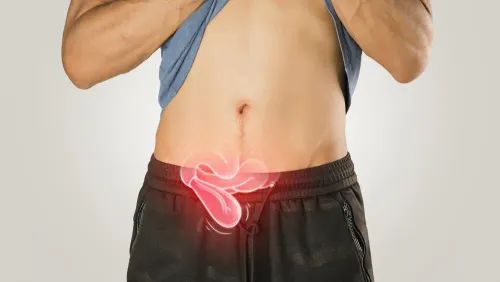
Laparoscopic cholecystectomy removes the entire gallbladder, not just the visible stones. If the gallbladder remains, it can continue forming stones and trigger further attacks. This is why it is the usual definitive treatment for adults with recurrent biliary pain, particularly right-upper-abdominal or upper-central pain after meals.
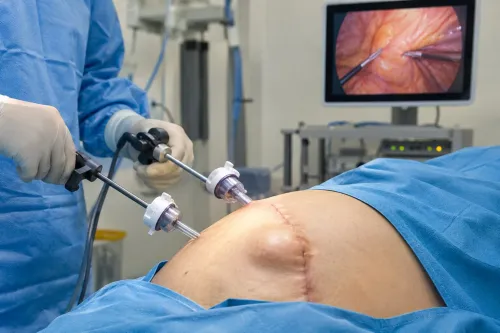
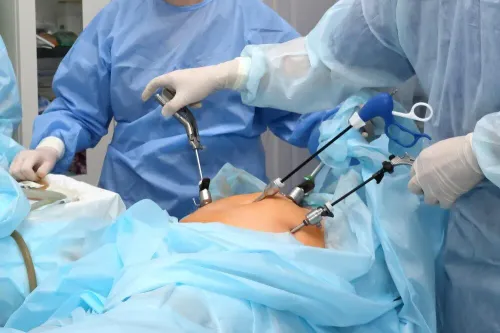
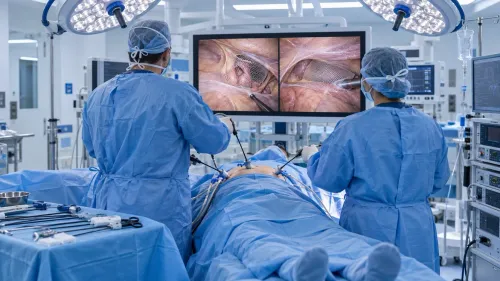
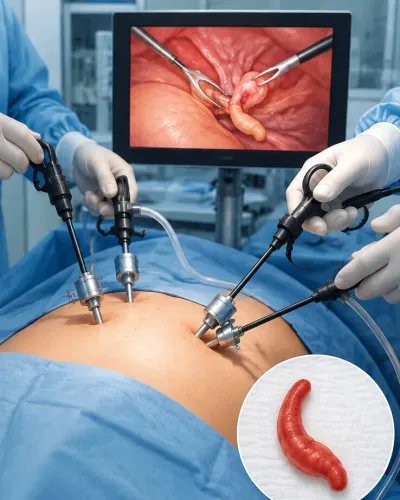
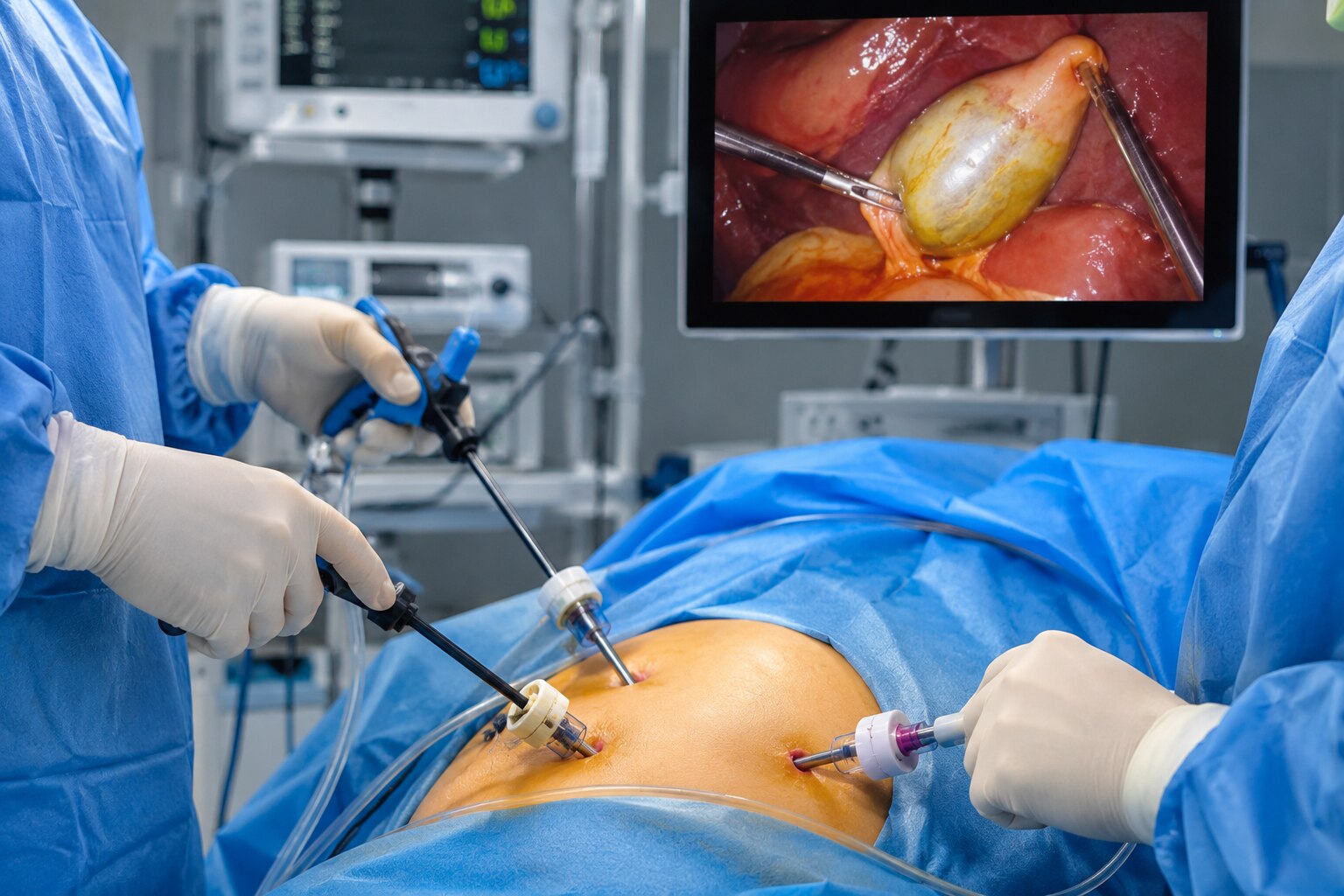
Under general anaesthesia, the surgeon usually makes several small abdominal incisions: one for a camera and others for surgical instruments. The gallbladder and surrounding anatomy appear on a monitor while the surgeon detaches and removes the gallbladder. “Minimally invasive” does not mean incision-free.
It also differs from endoscopic procedures that remove a stone from the common bile duct while leaving the gallbladder in place.
A gallstone seen on ultrasound does not automatically explain every symptom. The consultation must distinguish biliary colic from:
- Reflux
- Peptic-ulcer disease
- Pancreatitis
- Liver disease
- Non-gastrointestinal chest or upper-abdominal pain
Operating on an incidental stone will not fix an unrelated problem. For anyone considering laparoscopic cholecystectomy in Pune, the key decision is whether the pain pattern and test results show symptomatic gallbladder disease rather than a coincidental ultrasound finding.
Which gallbladder problems need surgery, and when can you wait?
An operation is usually justified when gallstones cause symptoms or complications; symptom-free stones found by chance usually do not justify preventive gallbladder removal.
| Problem | Usual plan | When waiting is reasonable |
|---|---|---|
| Symptomatic stones | Laparoscopic gallbladder removal | Only while arranging assessment and surgery |
| Acute or recurrent cholecystitis | Early removal after assessment | Stabilise severe illness first |
| Gallstone pancreatitis | Treat pancreatitis, then remove the gallbladder | During stabilisation, not indefinitely |
| Common-bile-duct stone | Clear the duct and usually remove the gallbladder | Only while investigating or treating obstruction |
| Selected gallbladder polyps | Specialist assessment and possible removal | Small, low-risk polyps under surveillance |
For acute cholecystitis, same-admission laparoscopic surgery is preferred when feasible. NICE specifies surgery within one week of diagnosis; delaying it leaves you exposed to another attack or a complication.
Jaundice, abnormal liver tests or a widened common bile duct changes the plan. MRCP or endoscopic ultrasound may locate a duct stone, while ERCP can remove an obstruction. ERCP treats the duct; it is not a routine substitute for removing the gallbladder.
Dietary changes can reduce fatty-food triggers but do not permanently remove most stones. Medicines suit only selected patients and do not replace surgery for recurrent attacks, cholecystitis or complications. This is the key distinction in gallbladder stone treatment in Pune.
Is laparoscopic surgery worth choosing over an open operation?
For most suitable patients, laparoscopic cholecystectomy is worth choosing because recovery is usually easier than after an open operation. The comparison is not incision size alone: safety and suitability decide the route for gallbladder surgery in Pune.
| Option | Practical advantages | Practical limitations |
|---|---|---|
| Laparoscopic | Smaller incisions, less wound discomfort, simpler wound care, shorter hospitalisation, earlier movement, quicker return to work and smaller scars | Pain control, other illnesses, complications or additional bile-duct treatment can lengthen recovery |
| Open | Gives the surgeon wider access when dissection is unsafe or anatomy is unclear | Larger incision, more wound care, greater discomfort, longer hospitalisation and slower return to normal activity |
Open surgery may be safer with severe inflammation, dense scar tissue from previous attacks or operations, uncontrolled bleeding, unclear anatomy, suspected bile-duct injury, an enlarged or difficult gallbladder, or suspected cancer. These conditions can make forcing laparoscopic dissection dangerous.
A planned laparoscopic operation can be converted to open surgery if the critical anatomy cannot be identified safely. Conversion is a safety decision, not proof that the operation failed. Ask what bailout plan the surgeon uses when inflammation, bleeding or scarring prevents safe progress; protecting the bile duct matters more than preserving small incisions.
What should happen before surgery in Pune?
Before minimally invasive gallbladder surgery in Pune, expect tests that confirm both the diagnosis and your fitness for anaesthesia. The consultation must also establish whether your pain matches biliary colic, rather than treating an incidental ultrasound finding while reflux, ulcer disease, pancreatitis or non-gastrointestinal pain remains untreated.
1. Bring your ultrasound report and ask whether it shows gallstones, gallbladder inflammation or a dilated common bile duct. Expect a symptom and medication review, liver-function tests, complete blood count, kidney-function tests, blood-sugar assessment and anaesthesia evaluation.
2. Jaundice, abnormal liver tests or a dilated common bile duct can indicate choledocholithiasis. Ask whether you need magnetic resonance cholangiopancreatography (MRCP) or endoscopic ultrasound before routine laparoscopic surgery. If a duct stone is confirmed, ask whether ERCP for duct clearance, surgery, or both are required.
3. Ask exactly when to stop eating and drinking, which diabetes medicines to take or omit, and when to stop or restart blood thinners. Tell the team about allergies, previous upper-abdominal operations and prior anaesthetic problems.
4. Take your medicine list, blood-test results and records of previous attacks or admissions. Ask what diagnosis the operation is treating and what alternative explains your actual pain pattern.
What happens in the operating room if the anatomy is difficult?
There is no universal timetable for the operation day. After fasting and general anaesthesia, the surgeon makes several small abdominal incisions for a camera and instruments.
1. The camera displays the gallbladder, liver and surrounding anatomy on a monitor. The surgeon exposes the cystic duct and cystic artery and obtains the critical view of safety by clearly identifying both structures before dividing either one.
2. Once that view is secure, the surgeon clips and divides the cystic duct and artery, separates the gallbladder from the liver, and removes it through one incision.
3. Inflammation, bleeding or scar tissue can hide the anatomy. The surgeon must not push ahead: accepted safety options include subtotal cholecystectomy, fundus-first dissection or conversion to open surgery. Conversion protects you; it does not mean the operation failed.
4. An intraoperative cholangiogram may map the bile ducts or check for stones. If it shows an obstruction, a separate bile-duct procedure, such as ERCP, may be needed rather than treating the gallbladder alone.
Consent should cover bleeding, infection, bile leak, retained common-duct stone, bowel or blood-vessel injury and bile-duct injury.
How do you plan recovery and choose the right Pune surgical team?
Before discharge, get a written plan covering exact fasting and medication instructions, transport home, whether an adult must stay with you, lifting limits, bathing, driving, diet progression, work absence and follow-up timing. These instructions change with the operation, anaesthesia, complications and any bile-duct procedure.
| Situation | Confirm before leaving | Recovery implication |
|---|---|---|
| Uncomplicated laparoscopy | Wound care, diet, driving and review date | Same-day or next-day recovery may be possible |
| Duct procedure or complication | Medication changes, monitoring and escalation contacts | Longer observation and slower activity progression may be needed |
Temporary loose stools, urgency or indigestion can occur after surgery. Persistent or severe symptoms need assessment.
- Fever, worsening abdominal pain or jaundice
- Persistent vomiting or inability to eat
- Breathlessness or increasing abdominal swelling
- Wound redness or discharge
Use emergency services for severe deterioration or breathing difficulty.
- How are difficult inflammation, prior surgery and unclear anatomy handled?
- Are bailout procedures and critical-view documentation discussed?
- Can the hospital provide urgent ERCP, anaesthesia, imaging, blood-bank and postoperative support?
Dr Mahesh B Jadhav can be considered alongside other Pune surgeons using these safety and recovery questions, not marketing labels.
Related service
Surgical Care Laparoscopic Gall Bladder Surgeries ₹600 we provide comprehensive laparoscopic care opd consultation..and further line of action from initial consultatation till discharge and post procedure... View service → |
Frequently asked questions
What does minimally invasive gallbladder surgery involve?
Laparoscopic cholecystectomy removes the entire gallbladder through several small abdominal incisions, using a camera and specialised instruments. It does not remove only the visible stones.
Which gallbladder problems need surgery, and when can you wait?
Recurrent biliary pain, acute cholecystitis, gallstone pancreatitis and some complications require surgical assessment. Observation can be reasonable for incidentally found stones without symptoms, but new pain, fever, jaundice or vomiting needs prompt medical review.
Is laparoscopic surgery worth choosing over an open operation?
Laparoscopic surgery usually means smaller incisions and a shorter recovery than planned open surgery. Open surgery remains appropriate when severe inflammation, scarring, bleeding or unclear anatomy makes minimally invasive dissection unsafe.
What should happen before gallbladder surgery in Pune?
A preoperative assessment should review symptoms, ultrasound findings, blood tests, medicines, allergies, previous abdominal operations and anaesthesia risks. Ask whether you need liver-function testing, additional bile-duct imaging or treatment for an active infection.
What happens if the anatomy is difficult during surgery?
The surgeon may pause dissection, use techniques that identify the cystic duct and artery safely, obtain additional imaging, ask another specialist for help or convert to open surgery. Conversion protects safety; it is not automatically a complication.
Keywords