
Fistula surgery is more than the operation itself: the treatment pathway can include examination, imaging, anaesthesia planning, wound care, medicines and scheduled reviews. You will be able to identify which parts belong in a complete surgical plan, which details require confirmation, and why the fistula’s path through the anal sphincter determines the safest option.
Key takeaways
- Confirm the diagnosis and map the fistula tract before choosing surgery.
- Ask whether imaging, anaesthesia, medicines and follow-up are included.
- Simple and complex fistulas require different procedures to protect the sphincter.
- Get wound-care instructions, warning signs and review dates before discharge.
What the First Fistula Consultation Should Cover
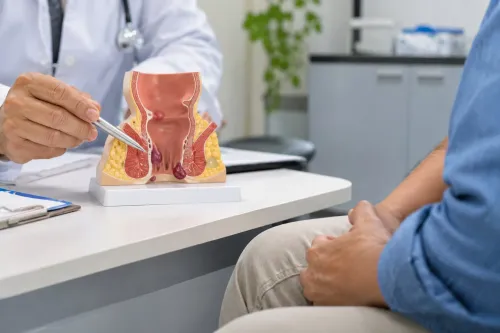
Before recommending fistula surgery in Pune, the surgeon must confirm that the problem is an anal fistula, not an abscess, fissure, haemorrhoid, hidradenitis or Crohn’s-related disease. The decision depends on the tract’s path and its relationship to the anal sphincter, not simply on the visible skin opening.
1. Ask about discharge, bleeding, pain, swelling, recurrent abscesses, fever and changes in bowel movements. Record when symptoms began and whether the external opening closes and reopens.
2. Review every previous procedure, including drainage, seton placement, fistulotomy, laser treatment and operations that failed to heal. Scar tissue and altered anatomy can change the safest approach.
3. Take a continence history before treatment. Ask about control of gas, liquid stool and solid stool; sphincter injury from childbirth, trauma or previous surgery also matters.
4. Examine the perianal skin and external opening, then perform a digital rectal examination when tolerated. The surgeon should explain what the examination suggests about the internal opening, branching and sphincter involvement.
5. Check for Crohn’s disease, inflammatory bowel symptoms, diabetes, immune problems and medicines that affect healing. These conditions can change timing, testing and follow-up.
Routine imaging is unnecessary for every straightforward fistula. MRI pelvis or endoanal ultrasound becomes useful when the fistula is recurrent, high, branching or hidden, or when examination is unclear.
Before booking, ask how healing will be assessed, when a seton will be reviewed or changed, and what happens if the fistula recurs or continence symptoms appear.
Which Examinations and Tests May Be Included
A perianal and digital rectal examination usually confirms whether drainage comes from an anal fistula rather than a fissure, haemorrhoid, hidradenitis or an abscess. The clinician records the external opening, discharge, tenderness, recurrent swelling, previous procedures and continence history, then looks for an internal opening when examination is tolerated.
- Proctoscopy or anoscopy examines the anal canal and rectum for an internal opening, inflammation, bleeding or another cause of symptoms.
- MRI pelvis with a fistula protocol maps the primary tract, side branches, abscess cavities and sphincter involvement.
- Endoanal ultrasound shows the tract’s relationship to the internal and external sphincter and offers an alternative when MRI is unsuitable.
- Examination under anaesthesia may locate an occult opening or clarify anatomy when pain, scarring or active infection prevents an adequate clinic examination.
| Test | What it helps establish | When it is useful |
|---|---|---|
| Clinical examination | Opening, drainage and likely tract direction | Straightforward, visible fistulas |
| Proctoscopy or anoscopy | Internal opening and rectal disease | Unclear source of discharge |
| MRI pelvis | High, branching, recurrent or hidden disease | Complex fistulas, Crohn’s disease or an unclear examination |
| Endoanal ultrasound | Sphincter involvement and tract position | Selected complex cases or when MRI is unsuitable |
Routine imaging is not necessary for every simple fistula. Ask how fistula surgery treatment inclusions in Pune are itemised: confirm whether MRI, blood tests, anaesthesia and repeat imaging are charged separately, and whether an abscess drainage or staged repair requires another operation.
How the Procedure Changes for Simple, Complex and Laser Cases
The tract’s relationship to the anal sphincter determines whether surgery can safely divide it or must preserve the muscle.
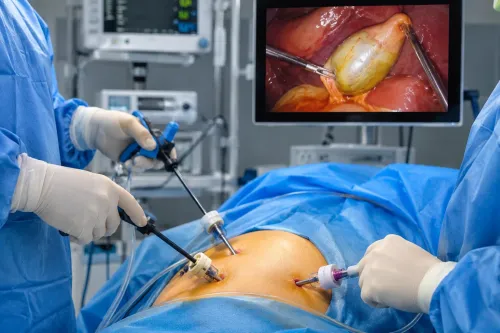
1. A simple, low fistula with one clear external and internal opening and limited sphincter involvement is commonly treated with fistulotomy. The surgeon lays the tract open so it heals from the base; cutting through substantial sphincter muscle would increase the risk of continence problems.
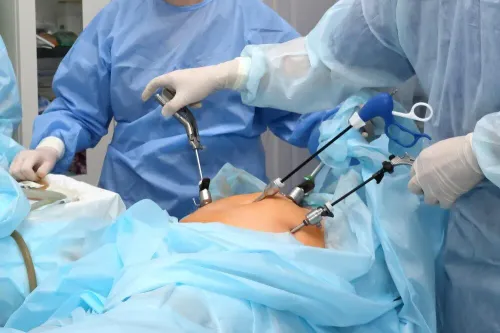
2. A high, branching, recurrent or infected fistula needs a sphincter-preserving plan. A loose seton keeps the tract draining and controls sepsis, but it may not cure the fistula; it can be the first stage before definitive treatment.
3. LIFT closes the tract in the space between sphincter muscles without dividing the main sphincter. An endoanal advancement flap covers the internal opening with healthy tissue, making it useful when a high tract or previous operation makes fistulotomy unsafe.
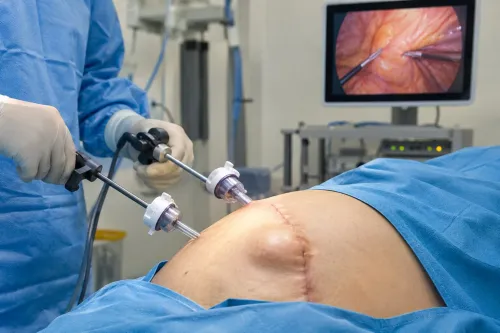
4. Laser or endoscopic closure suits selected tracts after the openings and path are mapped. Laser energy does not guarantee one-session treatment, less pain or no recurrence. Persistent openings, repeat surgery, seton placement or conversion to another technique remain possible.
Ask what the scan and examination show, which sphincter-preserving option fits that anatomy, and whether the proposed fistula surgery in Pune is planned as one operation or a staged process. If you are comparing laser fistula treatment in Pune, compare the tract suitability and backup plan, not the device name alone.
What a Surgical Package Should State Clearly
A quoted fee for fistula surgery is useful only when every charge and exclusion is visible. Ask the practice for a written breakdown before you book, not a single figure described as “all-inclusive.”
- Consultation and examination, including digital rectal examination or proctoscopy
- Imaging, such as MRI pelvis or endoanal ultrasound, with a clear statement of when it is recommended rather than automatically bundled
- Pre-operative blood tests and any anaesthesia assessment
- The operation itself, including fistulotomy, seton placement, LIFT, advancement flap or laser treatment
- Operating-room, surgeon, anaesthetist, hospital-bed and nursing charges
- Setons, laser fibres and other procedure-specific consumables
- Pathology, prescribed medicines, dressings and review visits
- Abscess drainage, staged procedures, recurrent fistula treatment and management of continence complications
| Charge item | Ask the practice to clarify | Why it matters |
|---|---|---|
| Consultation | Is the initial visit included, and are later reviews separate? | Follow-up is part of assessing healing. |
| Anaesthesia and facility | Which anaesthetic, operating-room, recovery and admission charges are covered? | A low surgical fee can exclude the largest facility costs. |
| Treatment | Does the fee cover a seton change, second-stage repair or recurrence? | Complex fistulas often need staged treatment. |
| Tests and medicines | Are MRI, blood tests, pathology, antibiotics, pain medicines and dressings included? | These costs vary by case. |
A Proctology OPD in Pune should explain abscess drainage separately because antibiotics alone do not replace drainage. “Best proctologist PCMC” is not a medical designation; assess registration, training, fistula experience and a documented recurrence plan. Dr Mahesh B Jadhav is one practice where you can ask those questions directly.
Discharge, Wound Care and Follow-Up After Surgery
Before booking, confirm whether you will go home the same day or stay overnight, who to contact after discharge, and when the first review will occur. Recovery depends on the procedure, anaesthesia, wound, and whether a seton remains in place.
| Option | Expected recovery detail | Confirm before booking |
|---|---|---|
| Fistulotomy | The wound may remain open and drain while it heals from the base outward. | Ask about dressing changes, pain relief, bowel medicines, and review timing. |
| Seton or staged surgery | Drainage can continue until the seton is reviewed, tightened, changed, or removed. | Confirm the planned stages, number of visits, and seton charges. |
| FiLaC laser treatment | The tract is closed internally, but persistent openings or recurrence can still require another procedure. | Ask whether repeat surgery, seton placement, or conversion is included in the plan. |
Keep the area clean, use warm sitz baths if advised, take prescribed analgesics, and prevent hard stools with fluids, fibre, or a prescribed stool softener. Ask when you can work, drive, exercise, and resume sexual activity.
Seek urgent advice for fever, worsening swelling, increasing pain, heavy bleeding, inability to pass urine, or foul drainage with illness. Follow-up is part of fistula surgery in Pune, not an optional add-on: healing, recurrence, and continence symptoms need assessment. For laser fistula treatment in Pune, ask how long outcomes will be monitored.
Request an itemised quote covering dressings, medicines, seton or laser consumables, pathology, follow-up visits, and treatment of recurrence or staged surgery.
Frequently asked questions
What should the first fistula consultation cover?
The consultation should confirm the diagnosis, distinguish fistula from abscess or other conditions, review symptoms and previous treatment, and assess the tract’s relationship to the anal sphincter.
Which examinations and tests may be included before fistula surgery?
Assessment may include inspection, digital rectal examination, proctoscopy and examination under anaesthesia. MRI pelvis or endoanal ultrasound may be used when the tract is complex, recurrent or difficult to map.
How does surgery differ for simple, complex and laser fistula cases?
A simple fistula may be treated with fistulotomy, while complex cases may need seton placement, LIFT, advancement flap or staged treatment. Laser closure uses a fibre to treat the tract and remains dependent on accurate mapping and case selection.
What should a fistula surgery package state clearly?
Ask for the surgeon’s fee, hospital and operating-room charges, anaesthesia, imaging, medicines, consumables, pathology, room costs, emergency care and scheduled follow-up to be listed separately or confirmed as included.
What happens after fistula surgery?
Discharge instructions should cover pain relief, bathing, dressing or drainage care, bowel management, activity limits, warning signs and the date for follow-up. Contact the surgical team for fever, worsening pain, heavy bleeding or urinary difficulty.
Keywords