Pune’s heat does not directly cause hemorrhoids, but sweating, low fluid intake, travel, dietary changes and reduced activity can harden stools and increase straining. You will learn which symptoms fit brief home care, which point to fissure, abscess or another condition, and when bleeding or pain requires urgent assessment rather than a routine appointment.
Key takeaways
- Drink water regularly and add fibre to prevent hard stools and straining.
- Severe pain, fever, pus, or persistent bleeding needs prompt medical assessment.
- A fissure causes sharp pain; an abscess causes swelling, fever, or pus.
- Treatment depends on hemorrhoid grade, prolapse, bleeding, and recovery priorities.
How Pune Heat Aggravates Constipation and Hemorrhoid Symptoms
Heat itself does not directly cause piles. Hemorrhoids are swollen vascular cushions in the anal canal; hot weather aggravates them when it changes hydration, bowel habits and daily activity.
During Pune’s hot months, these changes can set off constipation:
- Sweating removes fluid, while drinking less water leaves stools drier and harder.
- Travel disrupts meal times, toilet access and your usual bowel routine.
- Changes in food can reduce fibre or increase refined, low-moisture foods.
- Moving less because of heat slows bowel activity and makes prolonged sitting more likely.
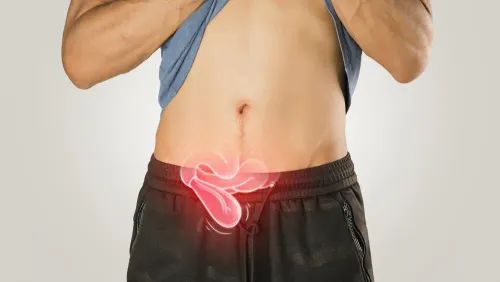
Hard stools require greater pressure to pass. Straining can enlarge or irritate existing hemorrhoids, causing bright-red bleeding, a feeling of incomplete emptying or a lump that protrudes. Sweat, moisture and repeated wiping can then cause itching, burning and soreness around the anus.
A sudden, very tender lump fits a thrombosed external hemorrhoid more than ordinary heat irritation.
A short period of mild symptoms may settle when stools become soft and you stop straining. Arrange a piles proctology consultation if bleeding persists, symptoms recur, pain becomes severe, or a lump, discharge or change in bowel habit does not improve.
Dizziness, confusion, fainting or inability to drink points to heat illness, not piles, and needs urgent medical assessment.
Daily Habits That Reduce Straining in Hot Weather
Aim for about 20–35 grams of fibre daily from vegetables, fruit, beans, whole grains, nuts and seeds. Increase it gradually over several days; a sudden increase can cause bloating and gas. Good piles proctology prevention also depends on drinking enough fluid for your body size, activity and sweating, rather than following one fixed volume.
| Habit | What to do | Why it helps |
|---|---|---|
| Fibre | Add fibre gradually toward 20–35 g daily | Softens stool and reduces straining |
| Fluids | Drink regularly; increase intake after sweating or exercise | Helps prevent hard, dry stools |
| Water-rich foods | Choose soups, citrus fruit, melon, cucumber and other high-water foods | Adds fluid alongside meals |
| Walking | Walk regularly, including after meals | Supports bowel movement and reduces inactivity |
| Toilet posture | Rest your feet on a low footstool so your knees sit above your hips | Creates a more comfortable passage angle |
| Bowel timing | Go when you feel the urge | Delaying allows stool to become harder |
| Toilet sitting | Leave after passing stool; do not scroll or linger | Reduces pressure on anal veins |
Use a topical cream only for short-term itching or discomfort. Hydrocortisone can thin or irritate perianal skin when overused, so follow the label or clinician’s instructions and avoid using it beyond about 5–7 days without review. Creams do not remove prolapsing hemorrhoids; persistent bleeding, severe pain or recurrent symptoms need assessment.
How to Tell Hemorrhoids From Fissure, Abscess or Heat Rash
Bright-red bleeding without pain points more toward internal hemorrhoids, especially when tissue prolapses during a bowel movement and returns afterward. Internal hemorrhoids usually do not cause a tender lump.
A sudden, intensely painful bluish lump at the anal edge suggests an external thrombosed hemorrhoid. A fissure causes sharp, tearing pain during and after passing stool, with a small streak of bright blood. An abscess causes constant throbbing pain, swelling, warmth and fever; pus or a recurring opening that drains suggests a fistula.
Heat rash causes itchy, raw skin or small red bumps where sweat collects. It does not cause deep anal pain, pus or bleeding from inside the bowel.
Persistent bleeding, mucus, diarrhoea, night symptoms, weight loss or a new change in bowel habits needs assessment for inflammatory bowel disease or colorectal cancer, not automatic treatment as piles. A piles proctology evaluation helps separate these conditions.
Seek emergency assessment immediately if you have:
- Heavy or continuous bleeding, clots, fainting or marked weakness.
- Black, tarry stools.
- Fever with anal pain or swelling, or pus.
- Severe abdominal pain or repeated vomiting.
- A painful prolapsed lump that cannot be pushed back.
Do not rely on fibre or home creams when these warning signs appear.
What Happens at a Pune Proctology Consultation
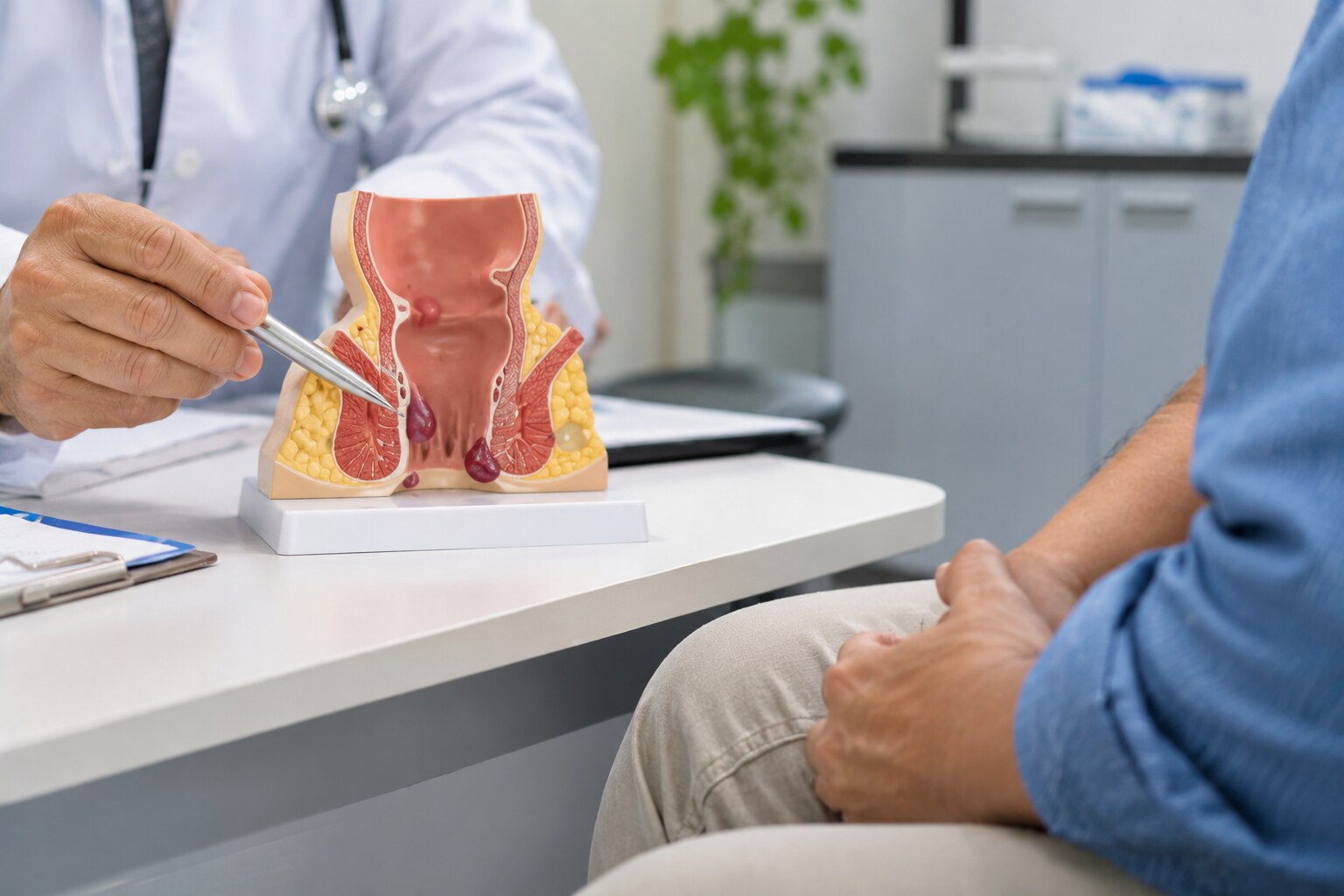
Persistent, recurrent or unusual bleeding deserves assessment rather than an automatic “piles” label. A proctology consultation starts with questions about the blood’s colour and amount, bowel frequency, constipation, straining, pain, discharge, medications such as aspirin or anticoagulants, weight loss, anaemia and family history of colorectal cancer.
The clinician inspects the skin and anal opening for hemorrhoids, fissure, swelling, prolapse, rash or discharge. A digital rectal examination, using a gloved, lubricated finger, is performed when appropriate to assess tenderness, a lump or blood. An anoscopy uses a short viewing instrument to examine the anal canal and internal hemorrhoids.
| Examination or test | What it assesses | Why it may be proposed |
|---|---|---|
| Inspection | Skin, swelling, prolapse, fissure or discharge | To distinguish hemorrhoids from infection or irritation |
| Digital rectal examination | Tenderness, masses, blood or abnormal tissue | To assess findings beyond the visible opening |
| Anoscopy | Anal canal and internal hemorrhoids | To locate a bleeding source or grade prolapse |
| Colon evaluation | Colon and rectum beyond the anal canal | When age, screening history, altered bowel habit, anaemia, weight loss or persistent bleeding warrants it |
Ask a proctology OPD in Pune how bleeding will be evaluated, whether constipation treatment is included, what each proposed test is looking for, and whether colon evaluation is needed. Also ask for the hemorrhoid grade, medication instructions, expected recovery and recurrence risk.
Dr Mahesh B Jadhav is an option for general and advanced surgical consultation in Pune when the diagnosis remains uncertain or treatment requires professional assessment.
Related service
Piles Fissure Fistula Pilonidal Sinus ₹600 we provide comprehensive consultation for pile,fissure and fistula treatment View service → |
Comparing Hemorrhoid Treatments by Grade, Prolapse and Recovery
Grade I–II internal hemorrhoids, and selected grade III cases, often respond to bowel-habit changes or office treatment. External hemorrhoids require a different decision: a large external component, combined disease, or grade III–IV prolapse may need surgery.
| Option | Best fit and limitation | Anaesthesia, recovery and recurrence |
|---|---|---|
| Conservative care | Fibre, fluids, toilet changes, topical medicines and oral pain relief; does not correct major prolapse | None; days to improve; symptoms can recur |
| Rubber-band ligation | Internal grade I–II and selected III; repeat sessions and delayed bleeding are possible | Usually none; quick recovery; recurrence exceeds excision |
| Sclerotherapy | Small bleeding internal hemorrhoids; less useful for bulky prolapse | None or local; rapid recovery; recurrence is possible |
| Infrared coagulation | Early internal bleeding; limited effect on advanced prolapse | None; minimal downtime; repeat treatment is common |
| Doppler-guided artery ligation | Bleeding with limited prolapse; recurrent prolapse is more likely than after excision | Local or regional; less early pain; recurrence varies |
| Excisional hemorrhoidectomy | Large external components, combined disease, grade III–IV prolapse, or failed office care | Regional or general; most pain and longest recovery; most definitive |
| Stapled hemorrhoidopexy | Selected internal prolapse without external hemorrhoids; does not remove external disease | Regional or general; less early pain; higher long-term recurrence |
| Laser procedures | Selected internal disease; technique and evidence vary, and laser does not automatically improve suitability | Local or regional; often short recovery; recurrence and durability depend on selection |
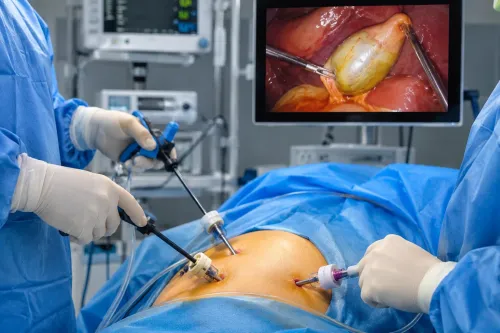
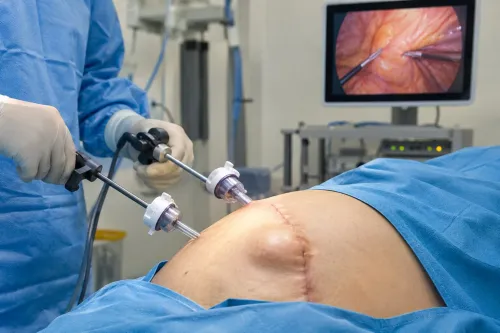
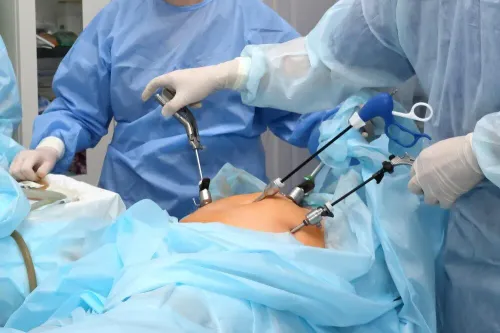
Ask which grade and component you have, whether prolapse is reducible, and why the proposed piles treatment in Pune fits those findings. Hemorrhoids treatment in Pune should not mean routine laparoscopic surgery: ordinary piles are treated through the anal canal, while laser is not automatically the best choice.
Frequently asked questions
How does Pune heat worsen constipation and hemorrhoid symptoms?
Heat changes hydration, bowel habits, and daily activity. Dehydration can harden stools, while reduced movement and delayed toilet visits increase straining.
Which daily habits reduce straining in hot weather?
Drink water regularly, eat fibre-rich foods, respond to the urge to pass stool, avoid prolonged toilet sitting, and stay physically active.
How can you tell hemorrhoids from a fissure, abscess, or heat rash?
Hemorrhoids commonly cause bright-red bleeding, itching, or a lump. A fissure causes sharp pain during or after stool. An abscess causes worsening pain, swelling, fever, or pus. Heat rash affects sweaty skin rather than the anal canal.
When should you seek piles proctology care in Pune?
Arrange an assessment for recurrent bleeding, persistent pain, a prolapsing lump, symptoms that do not improve with bowel changes, or uncertainty about the diagnosis. Seek urgent care for heavy bleeding, fever, pus, or severe worsening pain.
What happens at a proctology consultation in Pune?
The clinician reviews bleeding, pain, bowel habits, medicines, and previous treatment, then examines the area. A digital rectal examination or anoscopy may be used when appropriate.
Keywords