
A small opening that repeatedly leaks pus, swells, drains and returns is often a sign of a fistula rather than a wound that simply needs more time. By the end, you will know which symptoms require urgent assessment, which tests clarify the tract, and how surgeons balance healing against protection of anal continence when choosing an operation.
Key takeaways
- Recurring pus, blood, swelling or pain needs assessment for an anal fistula.
- MRI or examination under anaesthesia can map the fistula tract before surgery.
- Fistulotomy suits selected superficial tracts; setons and sphincter-sparing options protect muscle.
- Ask how much sphincter muscle the tract crosses and how continence risk will be assessed.
When a recurring anal opening needs more than routine wound care
A persistent anal fistula is likely when a recurring opening near the anus leaks repeatedly. Look for pus discharge or blood-stained discharge, swelling that settles after fluid drains and then returns, and pain that improves when the swelling empties. An external opening that never heals also needs assessment.
| Condition | Typical pattern | Distinguishing clue |
|---|---|---|
| Anal fistula | Repeated drainage from a skin opening | Chronic tract, often after an abscess |
| Perianal abscess | Acute collection with escalating pain, tenderness and swelling | Fever can occur; urgent drainage may be needed |
| Anal fissure | Sharp pain during or after a bowel movement | A visible tear, not a draining opening |
| Haemorrhoids | Bleeding or discomfort | Swollen veins rather than a pus-producing tract |
| Pilonidal sinus | Discharge or inflammation in the buttock cleft | Usually located above the anus |
Seek urgent assessment for fever, chills, rapidly increasing pain, spreading redness, difficulty passing urine or feeling unwell. Do not book a routine consultation in that situation.
A fistula is usually the chronic drainage pathway left after an anorectal abscess. An epithelialised tract does not usually close with antibiotics alone; treatment must address the tract and its internal opening. Repeated drainage without healing warrants examination rather than continued wound care.
Why a fistula keeps returning and how the anatomy is mapped
An epithelialised fistula tract behaves like a tunnel lined with skin, so it keeps draining instead of closing. Persistence also follows incomplete abscess drainage, a missed internal opening, branching or horseshoe extensions, prior fistula surgery, or unrecognised sphincter involvement.
Crohn’s disease, tuberculosis and hidradenitis suppurativa change the treatment plan. Tell the surgeon about chronic diarrhoea, abdominal pain, weight loss, multiple openings, recurrent fissures, or fistulas developing at a young age; these clues can require bowel testing or specialist assessment rather than another local operation.
1. The assessment starts with inspection for external openings, scars, discharge, skin inflammation and additional pits. A digital rectal examination checks tenderness, an indurated tract, masses and sphincter tone; proctoscopy looks for an internal opening or associated rectal disease.
2. Ask about a pelvic MRI fistula protocol when disease is recurrent, complex, high, branching, horseshoe-shaped or associated with Crohn’s disease. MRI can reveal a hidden branch or abscess when the external opening shows only part of the tract.
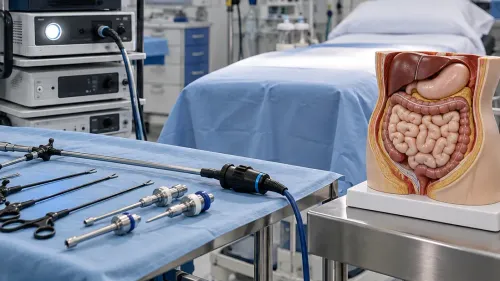
3. Endoanal ultrasound can clarify the tract’s relationship to the sphincter. Examination under anaesthesia helps when pain, scarring or complex anatomy prevents reliable examination in the clinic.
4. Bring a complete history: prior abscess drainage, previous fistula operations, continence symptoms, bowel disease, diabetes, immunosuppressive medicines and current antibiotics. This information can prevent repeating an operation that failed for an identifiable reason.
How surgeons choose between fistulotomy, seton and sphincter-sparing treatment
Persistent describes duration, not the operation. The key question is how much anal sphincter the tract crosses, alongside the internal opening, active infection, branches, horseshoe anatomy and baseline continence.
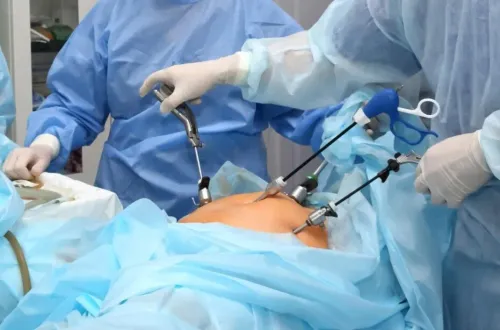
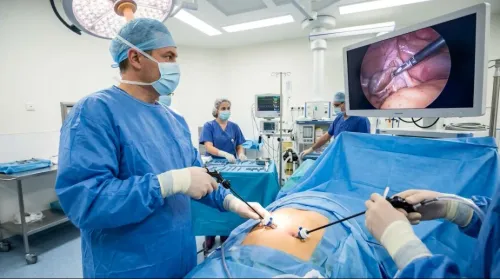
A low, simple, superficial tract involving little sphincter suits fistulotomy: the surgeon opens it so healing proceeds from the base, but the open wound needs cleaning, stool-consistency management and follow-up.
| Option | Main purpose | Typical role |
|---|---|---|
| Fistulotomy | Opens tract to heal from the base | Low, simple tract involving little sphincter |
| Draining seton | Keeps the tract open and controls sepsis | Too much sphincter for immediate division; often staged, not a guaranteed cure |
| LIFT procedure | Closes the tract in the intersphincteric plane | Sphincter preservation for selected higher tracts |
| Endorectal advancement flap | Covers the internal opening with tissue | Sphincter-threatening anatomy; not interchangeable with LIFT |
| Glue, laser or endoscopic methods | Attempts closure without standard tract division | Selected cases with less established long-term data |
A loose draining seton can control ongoing sepsis while inflammation settles or further treatment is planned. It is disease-control treatment, not automatically a permanent cure. An advancement flap and LIFT procedure suit different anatomy; cutting less muscle does not mean zero recurrence or zero continence risk.
For context, selected simple fistulotomy reports exceed 90% healing. Pooled LIFT healing is about 76%, while endorectal advancement flap reports roughly 66%–87%. These figures do not transfer reliably to recurrent, high, branching, anterior or Crohn-related fistulas.
What fistulotomy recovery involves and how continence risk is assessed
A fistulotomy does not seal the tract with stitches: it lays it open, allowing healing from the deepest part outward. That makes fistulotomy recovery more hands-on than a closed wound; expect an intentionally open wound, drainage, and dressings or gauze.
Wound care after fistula surgery includes cleaning as instructed, warm baths if advised, simple analgesia, and follow-up.
- Keep stools soft with adequate fluids and fibre, or prescribed laxatives. Hard stools and straining can cause bleeding, pain, and slower healing.
- Do not treat the operation as an antibiotic problem. Antibiotics do not replace drainage or fistula surgery; after abscess drainage, they are generally reserved for systemic illness, significant cellulitis, immune suppression, or selected high-risk patients.
- Discuss faecal continence before surgery. Dividing too much sphincter, or misjudging the anatomy, can impair control of gas or stool.
- Ask how the plan accounts for baseline continence, previous operations, sex, fistula position, and the internal tract—not only the visible external opening.
Fistula recurrence after an earlier operation warrants reassessment, not automatic repetition of the same procedure. A missed internal opening, secondary branch, horseshoe extension, or sphincter involvement may explain failure and change the safest operation.
Questions to ask before choosing fistula surgery in Pune
Before choosing fistula surgery in Pune, ask for an anatomy-based plan, not a procedure label. During a fistula surgery consultation, ask whether pelvic MRI with a fistula protocol and/or examination under anaesthesia is indicated. Confirm the internal opening, the amount of sphincter crossed, any branches or horseshoe extension, and whether active infection needs drainage first.
- Ask whether a seton is temporary drainage before another operation or intended for long-term control.
- Request specific wound-care instructions, time away from work, review dates and the symptoms that require urgent contact.
- Ask the anal fistula surgeon for operation-specific estimates of recurrence and impaired continence, based on your tract and baseline bowel control.
- With recurrent or complex disease, ask whether Crohn’s disease, tuberculosis or hidradenitis suppurativa needs investigation and whether gastroenterology input is appropriate.
| Plan | What to compare | Key trade-off |
|---|---|---|
| Fistulotomy | Low tract and limited sphincter division | Simpler healing, but continence risk rises if too much sphincter is cut |
| Seton | Drainage, staged treatment or long-term control | Controls sepsis, but may not close the fistula |
| Sphincter-sparing procedure | LIFT or advancement flap when preservation matters | Protects sphincter, with operation-specific healing and recurrence limits |
For a Pune patient, Dr Mahesh B Jadhav can be a relevant option for assessment, but compare the examination, imaging plan, sphincter preservation strategy and follow-up arrangements—not the operation’s name alone.
Related service
Piles Fissure Fistula Pilonidal Sinus ₹600 we provide comprehensive consultation for pile,fissure and fistula treatment View service → |
Frequently asked questions
When does a recurring anal opening need more than routine wound care?
Arrange a surgical assessment when an opening repeatedly leaks pus or blood, swelling returns after draining, pain improves after drainage, or the opening does not heal.
Why does an anal fistula keep returning?
A fistula can return when an infected tunnel remains between the anal canal and skin. Examination, proctoscopy, MRI pelvis or examination under anaesthesia can help locate its internal opening and map the tract.
How do surgeons choose between fistulotomy, a seton and sphincter-sparing treatment?
The choice depends on the tract’s position, how much anal sphincter muscle it crosses, infection or abscess, previous operations and continence risk. Fistulotomy suits selected low tracts; a seton can keep drainage open, while sphincter-sparing procedures preserve muscle.
What does fistulotomy recovery involve?
Recovery involves wound cleaning, pain control, preventing constipation and attending follow-up visits while the open wound heals. Your surgeon should explain expected drainage, activity limits and warning signs such as fever, worsening pain or heavy bleeding.
What should you ask before choosing fistula surgery in Pune?
Ask which imaging or examination will map the tract, how much sphincter muscle it involves, why the proposed procedure fits your anatomy, the continence risk, recurrence plan and follow-up schedule.