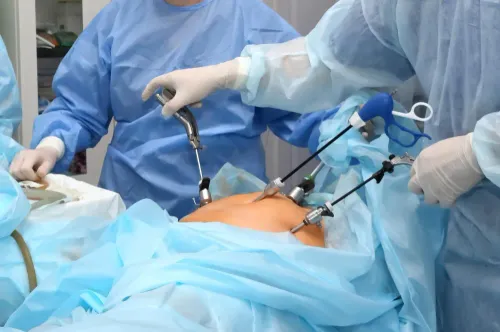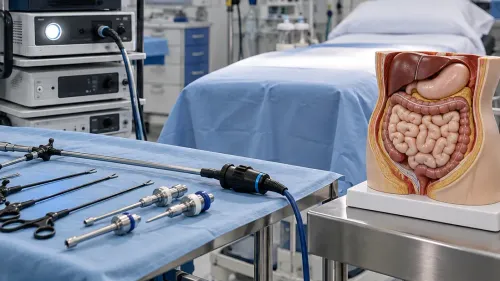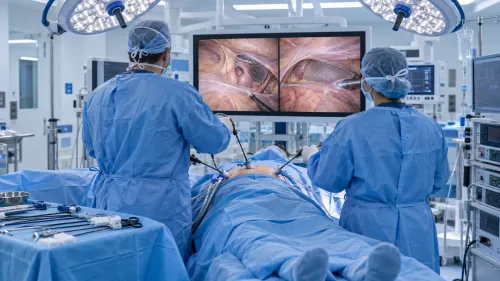
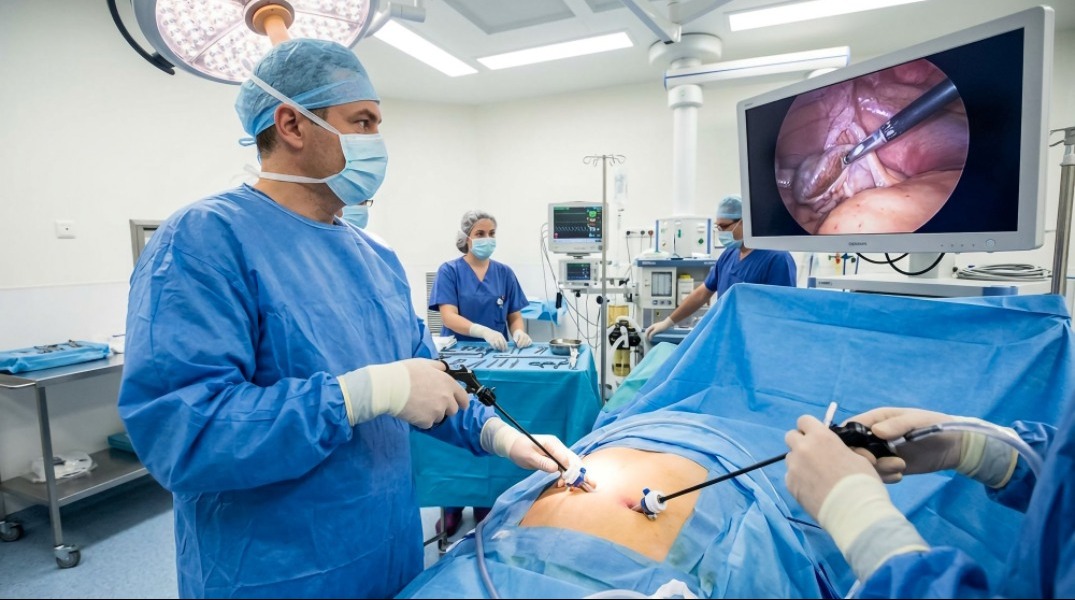
Minimally invasive surgery has changed the way many common surgical conditions are treated. Hernias, gallbladder disease, appendicitis and selected abdominal conditions can often be managed through laparoscopic techniques using small incisions and camera-guided instruments.
Yet choosing a minimally invasive general surgery specialist in Pune should not be based only on whether a surgeon offers laparoscopic or laser procedures. Patients benefit most when technology is combined with accurate diagnosis, appropriate case selection and clear communication.
Look for Diagnosis Before Procedure Selection
A reliable surgical consultation starts with the medical problem, not with a predetermined procedure.
For example, abdominal pain may not necessarily require laparoscopy. Rectal bleeding should not automatically be labelled as piles. A groin swelling should be properly examined before planning hernia repair.
The surgeon should first establish what is causing the symptoms and then discuss available treatment options.
Ask Why Minimally Invasive Surgery Is Suitable
Smaller-incision techniques can offer meaningful benefits for selected patients, but not every operation should be performed laparoscopically.
A useful consultation should explain:
- Why surgery is being considered
- Whether non-surgical treatment is reasonable
- Why a minimally invasive approach is suitable
- What alternatives exist
- What anaesthesia is required
- What recovery may involve
- What relevant risks should be understood
This information allows patients to participate in treatment decisions rather than choosing a procedure based on marketing terminology.
Consider the Range of Conditions Managed
General surgeons evaluate a broad range of conditions involving the abdomen, abdominal wall, soft tissues, breast, thyroid and anorectal region.
Minimally invasive techniques may be used for selected cases involving:
- Gallbladder stones
- Appendicitis
- Inguinal and abdominal wall hernias
- Certain diagnostic abdominal procedures
Other problems may require conventional surgery, minor procedures or conservative management.
A surgeon's willingness to recommend a non-laparoscopic option when clinically appropriate is therefore just as important as access to minimally invasive technology.
Evaluate Pre-Operative Planning
Surgical readiness involves more than scheduling an operation.
Patients may need blood investigations, imaging, anaesthesia assessment and optimisation of existing medical conditions. Current medicines, previous operations, allergies and chronic illnesses should be reviewed.
This is particularly important for people with diabetes, hypertension, heart disease or other conditions that may influence perioperative care.
Pay Attention to Follow-Up
Post-operative follow-up helps assess wound healing, recovery, diet and gradual return to normal activity.
Patients should know whom to contact if they develop unexpected symptoms and when their next review is planned.
For residents of Pune, practical access from areas such as Wakad, Pimpri Chinchwad and Nigdi can make scheduled follow-up easier, particularly during the early recovery period.
Choose Clear Communication Over Big Claims
Patients should be cautious about absolute claims such as completely painless surgery, guaranteed recovery times or procedures described as universally superior.
Recovery varies according to the operation, diagnosis, age, overall health and complexity of the condition.
Dr Mahesh B Jadhav provides general and laparoscopic surgical care in Pune, including evaluation for hernia, gallbladder, appendix, anorectal and other general surgical conditions. The appropriate procedure is selected after clinical assessment rather than solely according to the availability of a particular technology.
Know When You Are Ready to Decide
A patient is better prepared for surgery when the diagnosis is understood, the reason for operating is clear, reasonable alternatives have been discussed and there is a practical plan for recovery and follow-up.
Minimally invasive surgery can be an important part of modern surgical care, but the central decision remains the same: choosing the right operation for the right condition at the right time. A consultation that provides clear answers to those questions offers a stronger foundation for treatment than focusing on technology alone.
Keywords