Some abdominal problems can be monitored or treated through planned appointments. Others change rapidly and require urgent assessment. Recognising the difference can help patients avoid dangerous delays while also preventing unnecessary panic over every episode of abdominal discomfort.
People searching for emergency laparoscopic surgery in PCMC are often dealing with severe abdominal pain, vomiting, swelling or another rapidly changing symptom. In such situations, diagnosis comes before deciding whether laparoscopic surgery is required.
Symptoms That Should Not Be Ignored
Severe abdominal symptoms can have many causes. Prompt medical assessment is particularly important when pain is sudden, persistent or progressively worsening.
Concerning symptoms may include:
- Severe or increasing abdominal pain
- Repeated vomiting
- Significant abdominal swelling
- Fever with marked abdominal tenderness
- Inability to pass stool or gas
- Painful hernia swelling that cannot be reduced
- Fainting, weakness or other signs of significant illness
- Persistent pain associated with jaundice
The presence of these symptoms does not automatically mean surgery is necessary. They indicate that waiting for symptoms to settle without assessment may be unsafe.
Common Surgical Emergencies
Appendicitis is one familiar cause of acute abdominal pain. Gallbladder inflammation can also produce severe upper abdominal pain, fever and vomiting.
A hernia may become an emergency if bowel or other tissue becomes trapped. Intestinal obstruction, perforation and intra-abdominal infection are other conditions that may require urgent surgical involvement.
Each condition needs a different treatment strategy.
When Is Laparoscopic Surgery Used?
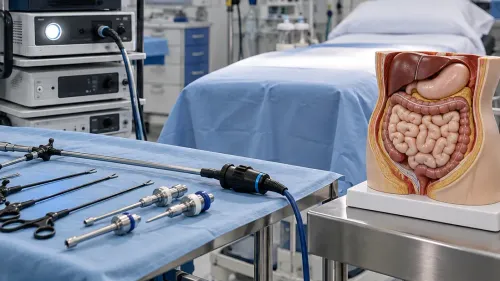
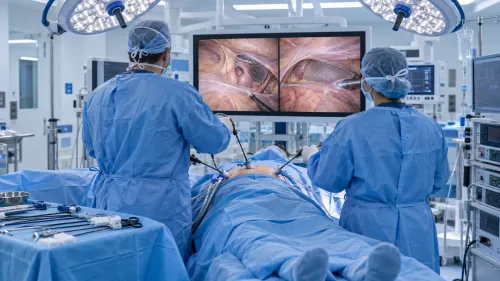
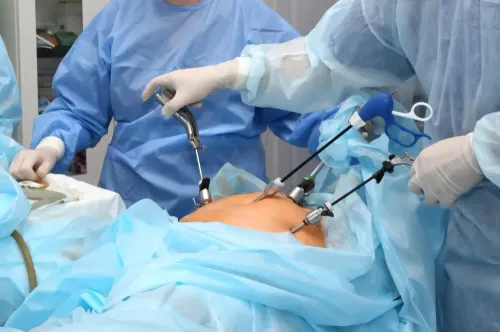
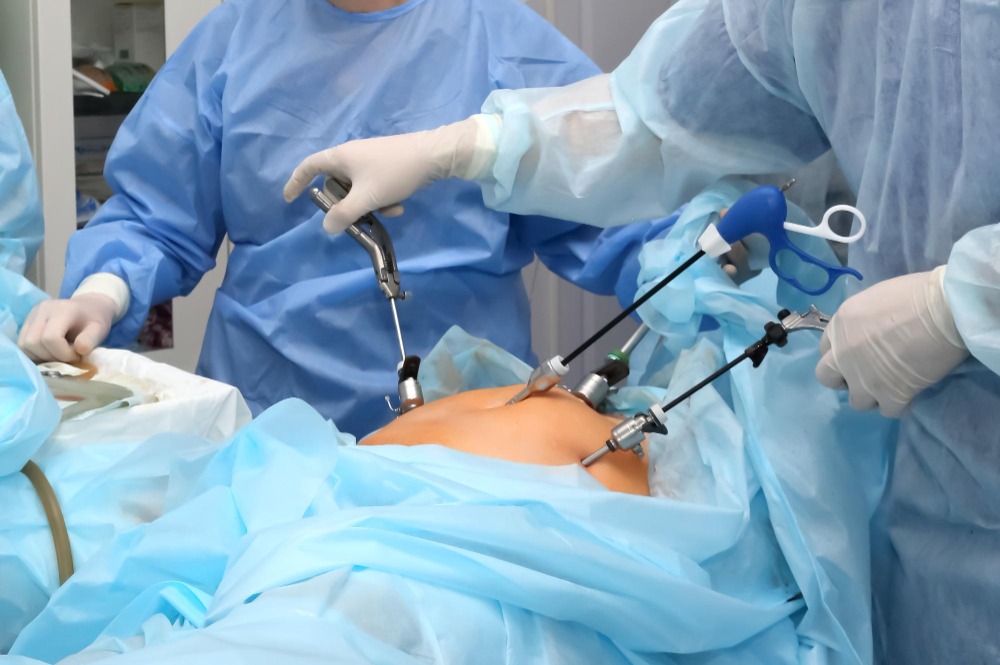
Minimally invasive surgery can be used in selected emergency abdominal conditions. Through small incisions, a laparoscope provides a view of the abdominal cavity and allows certain operations to be performed.
Potential applications include selected cases of acute appendicitis, gallbladder disease and other abdominal emergencies.
However, emergency surgery should never be forced into a laparoscopic approach simply because smaller incisions are preferred. Patient stability, infection severity, previous surgery and operative findings all influence the safest technique.
Open surgery may be necessary in some circumstances.
What Happens During Emergency Evaluation?
Emergency surgical assessment typically combines several sources of information.
The doctor reviews when symptoms began, how they have changed, previous medical conditions and any history of abdominal surgery. Examination helps identify tenderness, swelling and signs of obstruction or infection.
Blood tests and imaging such as ultrasound or CT may then be required.
The objective is to answer three questions: What is causing the symptoms? Does it require surgery? If so, how urgently should treatment proceed?
Why Timing Can Matter
Certain abdominal conditions become more complicated when treatment is delayed. An appendix can perforate, an obstructed bowel can become compromised, and a trapped hernia may threaten the blood supply of its contents.
For that reason, severe or worsening symptoms should not be repeatedly suppressed with home medication without identifying their cause.
Emergency Surgical Care in PCMC
Dr Mahesh B Jadhav provides general and laparoscopic surgical evaluation for patients with conditions that may require operative management in the Pune and PCMC region.
For residents of Pimpri Chinchwad, Wakad, Nigdi and surrounding Maharashtra areas, knowing where appropriate surgical assessment is available can be particularly useful when symptoms arise unexpectedly.
Emergency surgery is not defined by the size of the incision. The priority is timely diagnosis and selecting the safest effective treatment. Laparoscopy is an important option for suitable cases, but the decision must reflect the patient's condition at the time of assessment.
Keywords