Finding a soft lump under the skin can be worrying, even though many such swellings turn out to be harmless lipomas. Because they usually grow slowly and cause little discomfort, people often ignore them for years. However, there are situations where medical evaluation and removal become the appropriate choice.
Patients considering Lipoma Removal in Pune frequently want to know whether surgery is necessary and how doctors determine the nature of the lump. Dr Mahesh B Jadhav assesses each swelling carefully before recommending observation or surgical removal based on clinical findings.
What Is a Lipoma?
A lipoma is a benign growth made up of fatty tissue. It usually develops just beneath the skin and feels soft to touch.
Lipomas commonly occur on:
- Neck
- Shoulders
- Back
- Arms
- Thighs
Most grow slowly and remain painless, although larger lipomas may cause discomfort due to pressure on nearby tissues.
When Should a Lipoma Be Examined?
Although lipomas are generally harmless, every new lump should be evaluated to confirm the diagnosis.
Consult a surgeon if you notice:
- Rapid increase in size
- Pain or tenderness
- Restriction of movement
- Changes in the skin over the lump
- Uncertainty about the diagnosis
A proper examination helps distinguish a lipoma from other soft tissue swellings that may require different treatment.
Evaluation and Treatment in Pune
Depending on the size and location of the lump, your surgeon may recommend:
- Physical examination
- Ultrasound
- MRI in selected cases
- Tissue testing after removal when appropriate
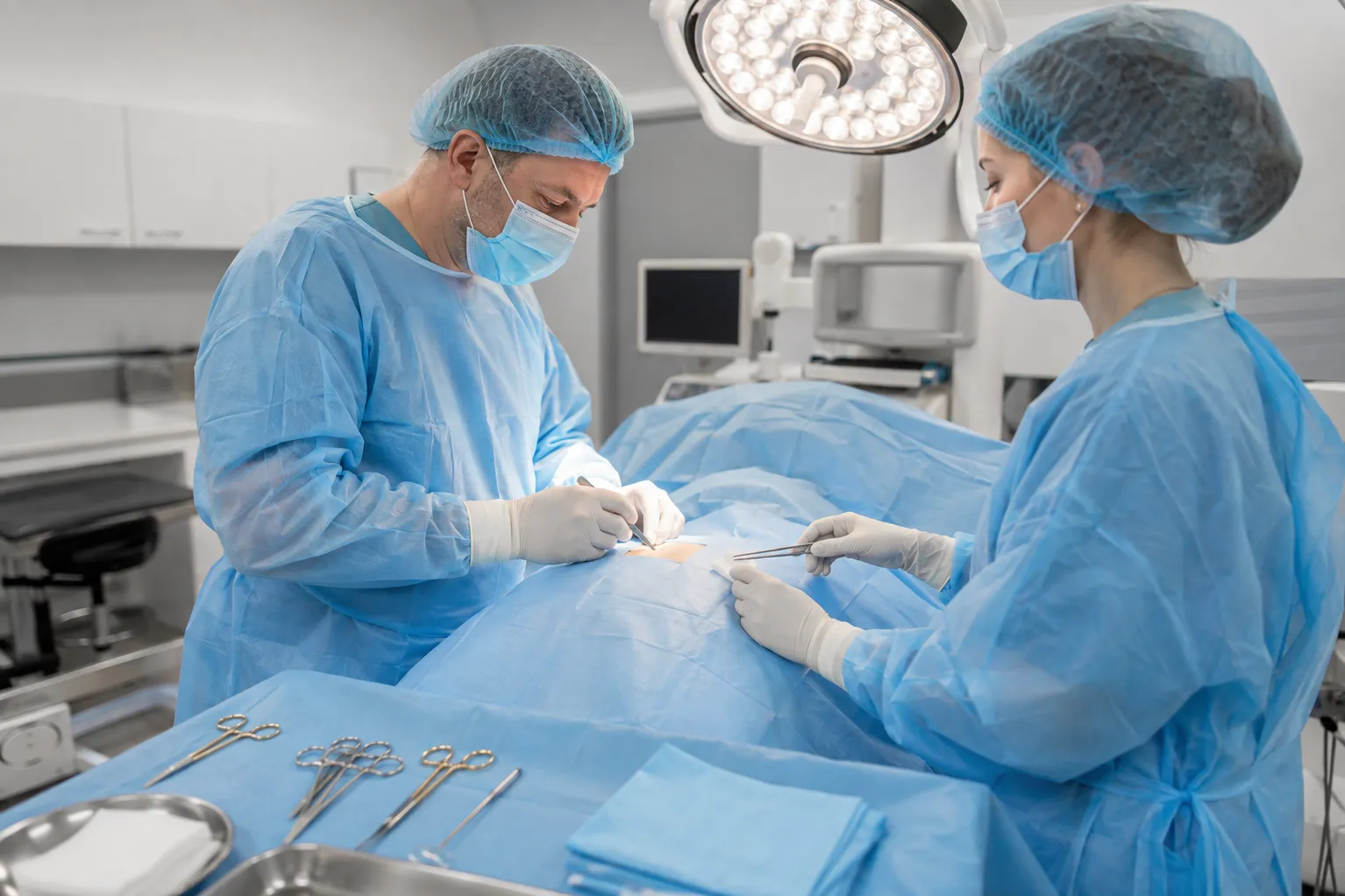
Small, symptom-free lipomas may simply be monitored, while larger or bothersome lipomas are often removed through a minor surgical procedure.
What to Expect During Recovery
Recovery after lipoma removal is usually uncomplicated.
Patients are commonly advised to:
- Keep the wound clean
- Follow dressing instructions
- Avoid excessive strain for a few days
- Watch for signs of infection
- Attend follow-up appointments
Most people resume their routine activities within a short period.
A Balanced Approach to Treatment
Not every fatty lump needs immediate surgery, but every persistent lump deserves proper evaluation. Early assessment provides reassurance when the swelling is harmless and ensures timely treatment if removal is the better option. Understanding the diagnosis before making treatment decisions helps patients avoid unnecessary anxiety and receive appropriate care.
Keywords