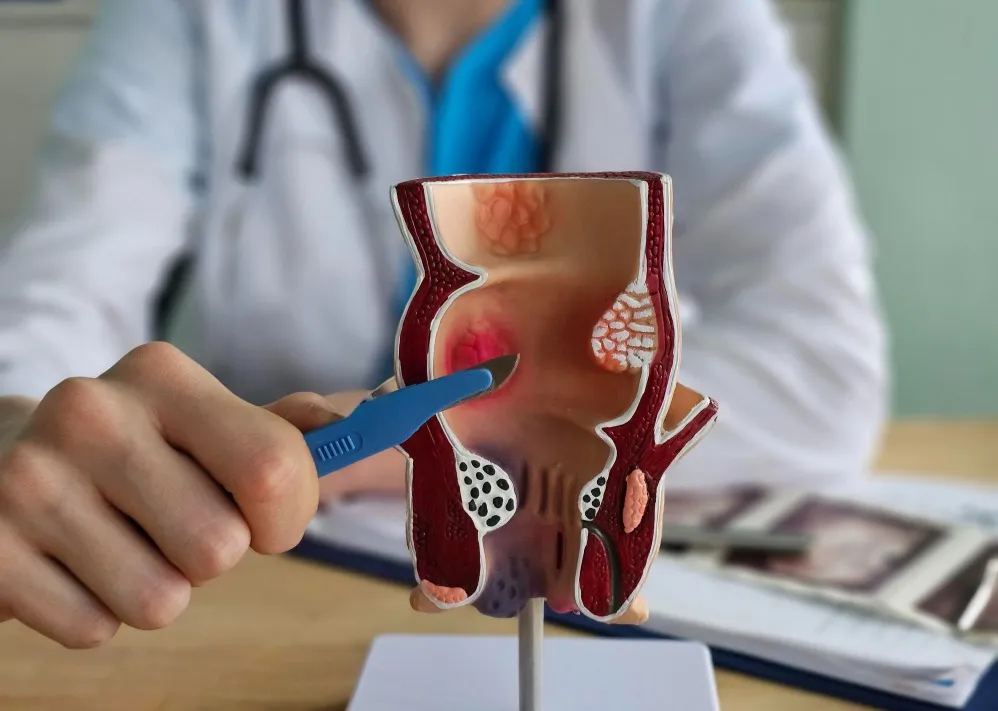
Piles, also called haemorrhoids, are swollen blood vessels in or around the lower rectum and anus. They are common and can affect adults across different age groups. Symptoms range from mild irritation to repeated bleeding, prolapse and discomfort during bowel movements.
Searching for a laser piles treatment specialist in PCMC often happens after symptoms have persisted despite dietary changes or medicines. Before choosing a procedure, however, it is important to confirm that piles are actually responsible for the symptoms.
Common Symptoms of Piles
Internal and external haemorrhoids can present differently. Possible symptoms include:
- Bright red bleeding during bowel movements
- A lump near the anus
- Tissue protruding during defecation
- Itching or irritation
- Mucus discharge
- Discomfort or pain
Rectal bleeding should not automatically be attributed to piles. Anal fissures, polyps, inflammatory conditions and other colorectal problems can produce similar symptoms.
Why Constipation Matters
Constipation and repeated straining are common factors associated with haemorrhoidal symptoms. Spending excessive time on the toilet may also increase pressure around the anal blood vessels.
Early management therefore often focuses on improving bowel habits.
Useful measures may include adequate water intake, fibre-rich foods, regular physical activity and avoiding prolonged straining. Medication can be prescribed when appropriate.
When Is a Procedure Considered?
Not everyone with piles needs surgery. Treatment is influenced by the haemorrhoid grade, bleeding, prolapse, severity of symptoms and response to conservative measures.
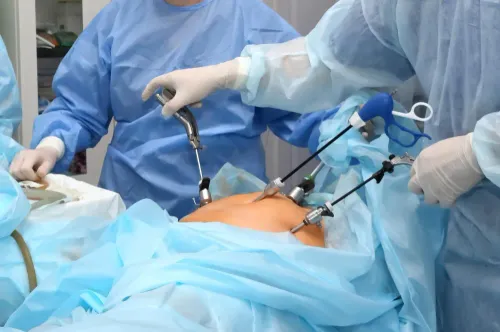
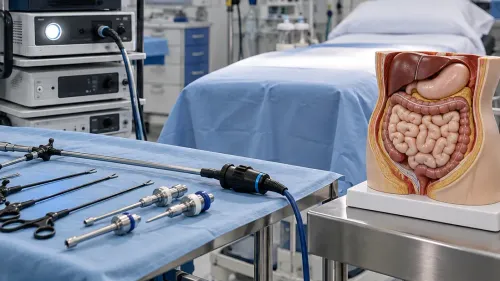
Procedural options can include office-based treatments and surgical techniques. Laser-based procedures are among the minimally invasive approaches that may be considered in selected patients.
The term 'laser treatment' should not be treated as a guarantee of painless or permanent treatment. Every intervention has indications, limitations and potential risks.
Questions to Ask Before Choosing Laser Treatment
Patients evaluating a procedure should ask practical questions rather than choosing treatment based on the technology name alone.
Consider asking:
- What grade of haemorrhoids do I have?
- Are piles definitely responsible for my bleeding?
- Do I need a procedure at this stage?
- Why is laser treatment suitable in my case?
- What alternatives are available?
- What type of anaesthesia may be required?
- What should I expect during recovery?
- What bowel habits should I maintain afterwards?
Clear answers make it easier to understand whether the recommended procedure matches the actual diagnosis.
Piles Treatment in PCMC
Patients from Pimpri Chinchwad, Wakad, Nigdi and nearby Maharashtra communities frequently prefer surgical consultation close to home because follow-up may be required after treatment.
Dr Mahesh B Jadhav provides evaluation for piles and other common anorectal surgical conditions. The consultation can help distinguish haemorrhoids from fissure, fistula and other causes of anal discomfort or bleeding before deciding on treatment.
Do Piles Come Back After Treatment?
A procedure addresses existing haemorrhoidal disease, but long-term bowel habits remain important. Persistent constipation and repeated straining can continue to create pressure in the anal region.
For that reason, successful management is not limited to selecting a procedure. Maintaining softer stools, adequate hydration, dietary fibre and healthier toilet habits remains relevant after treatment.
The most useful question is therefore not simply whether laser treatment is available. It is whether the symptoms have been accurately diagnosed and which treatment offers the most appropriate balance of effectiveness, recovery and risk for the individual patient.
Keywords