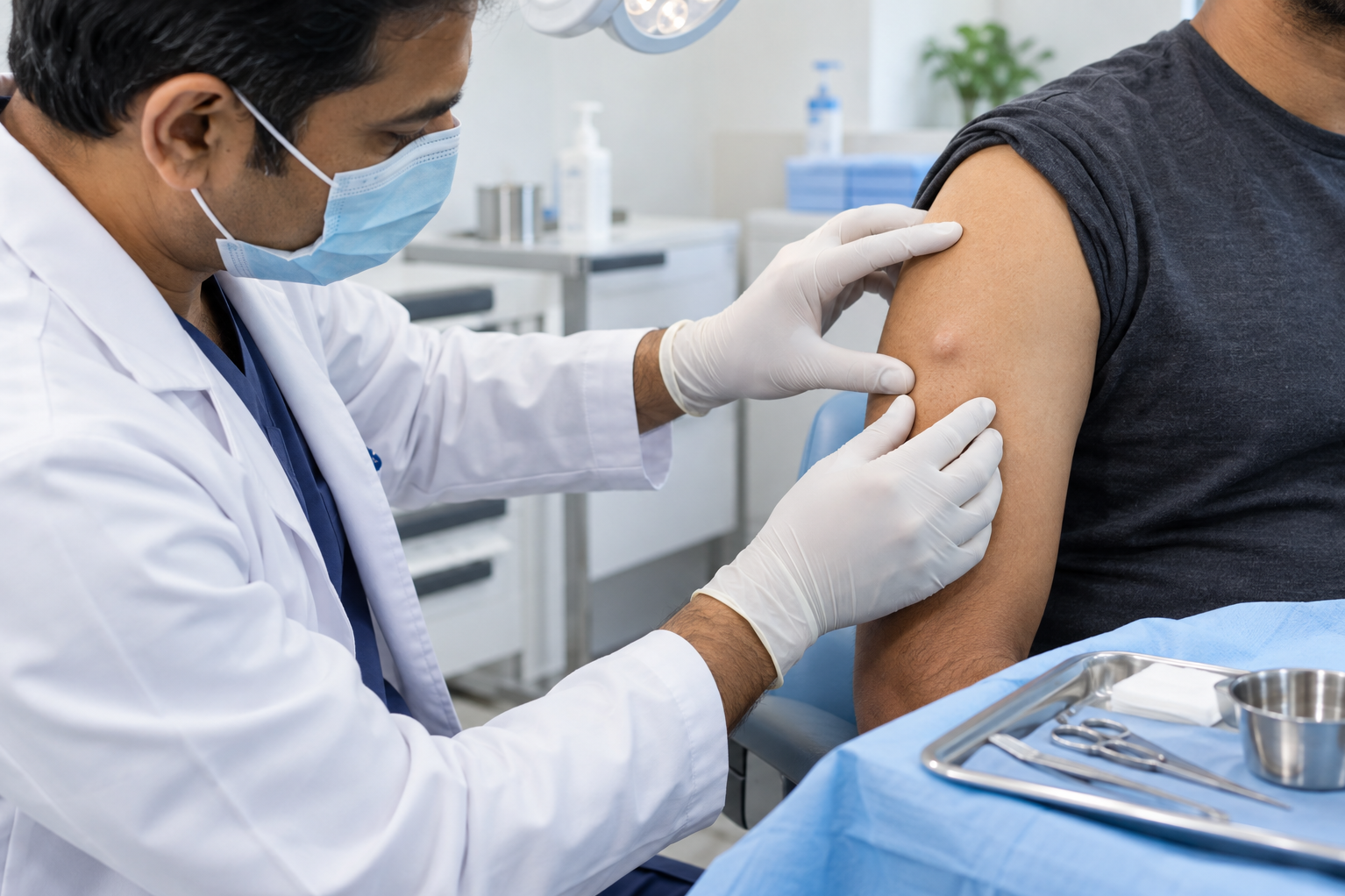
Soft lumps beneath the skin are common and are often benign. Two frequently encountered conditions are lipomas and epidermoid cysts, which are often casually called sebaceous cysts. Although both can appear as slowly growing lumps, they develop from different tissues and may require different management.
People considering lipoma and sebaceous cyst removal in Pune should first establish what type of lump they have and whether removal is actually necessary.
What Is a Lipoma?
A lipoma is a benign growth composed of fatty tissue. It usually feels soft and may move slightly under the skin when touched.
Lipomas commonly occur on the shoulders, back, arms, thighs and trunk. Many remain small and cause no difficulty.
Observation may be appropriate when a lump has typical benign characteristics and is not causing symptoms. Removal may be considered if it becomes uncomfortable, interferes with movement, grows noticeably or creates uncertainty about the diagnosis.
What Is Commonly Called a Sebaceous Cyst?
Many lumps described as sebaceous cysts are epidermoid cysts. They form beneath the skin and contain keratinous material.
A cyst may remain unchanged for a long period. However, it can sometimes become inflamed, painful or infected. Redness, tenderness and discharge can develop when complications occur.
Repeatedly squeezing a cyst at home is not advisable. Even if some material is expelled, the cyst wall may remain and the lump can recur.
When Should a Lump Be Checked?
A new lump deserves medical evaluation when its nature is uncertain.
Particular attention is appropriate when a lump:
- Grows rapidly
- Becomes hard or fixed
- Causes persistent pain
- Develops redness or discharge
- Repeatedly becomes inflamed
- Returns after previous treatment
- Has an unusual appearance or location
These features do not automatically indicate a serious condition. They simply make proper assessment more important.
What Happens During Removal?
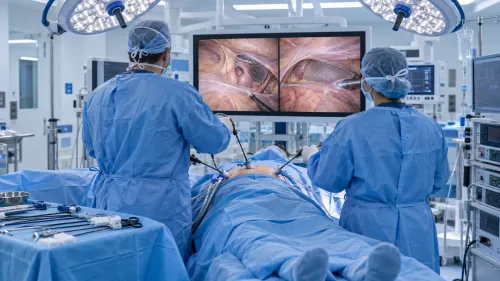
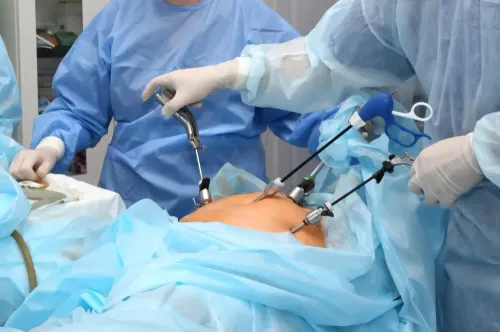
Small superficial lipomas and cysts can sometimes be removed through a relatively limited incision under local anaesthesia. Larger, deeper or unusually located lesions may require different planning.
For a cyst, removing the cyst wall where clinically appropriate can be important in reducing the likelihood of recurrence. If a cyst is acutely infected, treatment may need to address the infection first rather than proceeding directly with definitive removal.
Lipoma surgery involves separating the fatty lump from surrounding tissue and removing it. The procedure selected depends on size, depth and location.
Is Every Skin Lump Suitable for Minor Surgery?
No. Some lumps need imaging or additional investigation before removal, especially when they are deep, unusually large or not clinically typical of a simple lipoma or cyst.
Sending removed tissue for histopathological examination may also be advised depending on the clinical situation.
Finding Appropriate Care in Pune
Dr Mahesh B Jadhav evaluates common soft-tissue lumps as part of general surgical care in Pune. The initial assessment helps determine whether a lesion appears consistent with a lipoma or cyst and whether observation, investigation or removal is appropriate.
For patients from Wakad and neighbouring PCMC areas, planned local follow-up can also make wound assessment and dressing care more convenient.
Minor lumps can create disproportionate anxiety when their nature is unknown. Rather than choosing removal solely for reassurance, a clinical diagnosis should come first. Once the type, size and location of the lump are understood, patients can make a more informed decision about whether removal offers a meaningful medical or practical benefit.
Keywords