A hernia may begin as a small swelling that appears only while standing or lifting heavy objects. Over time, however, it can become painful, larger, and increasingly difficult to ignore. Since hernias do not heal on their own, understanding available treatment options is important for preventing future complications.
Patients considering Laparoscopic Hernia Surgery in Pune often have questions about the procedure, recovery, and when surgery becomes necessary. Dr Mahesh B Jadhav evaluates each case individually to recommend the most suitable treatment based on the type and severity of the hernia.
What Exactly Is a Hernia?
A hernia develops when an internal organ or tissue pushes through a weak area in the surrounding muscle or abdominal wall.
Common types include:
- Inguinal hernia
- Umbilical hernia
- Incisional hernia
- Femoral hernia
- Epigastric hernia
Each type differs in location and treatment approach.
Symptoms That Suggest You Should Seek Medical Advice
Many people ignore hernias because the swelling disappears while lying down.
However, you should consult a surgeon if you experience:
- A visible bulge
- Pain during lifting or coughing
- Increasing swelling
- Discomfort after prolonged standing
- Pressure or heaviness in the abdomen
Emergency care is required if the swelling becomes hard, extremely painful, or cannot be pushed back, as this may indicate a trapped hernia.
Why Many Patients in Pune Choose Laparoscopic Repair
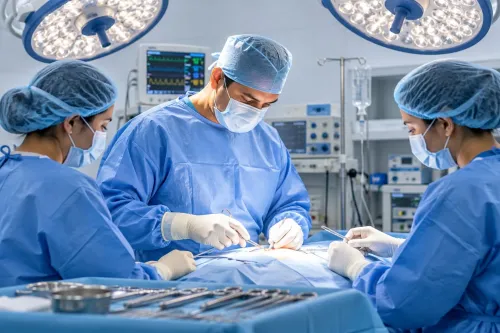
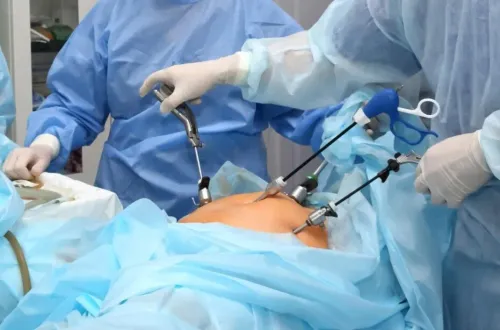
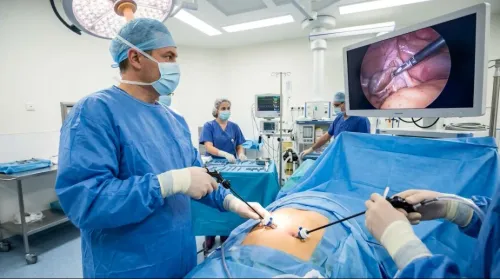
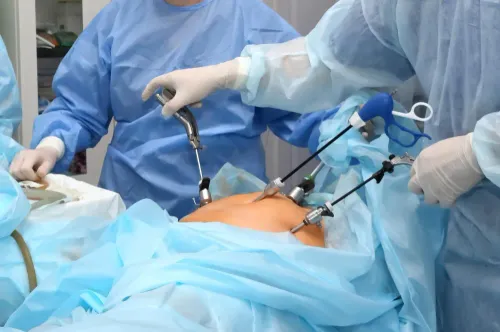
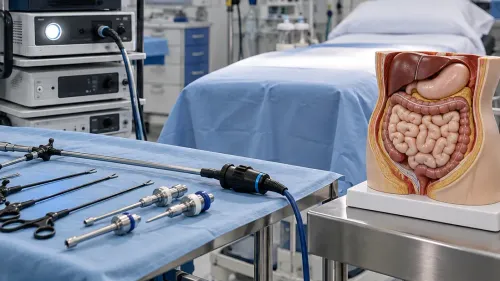
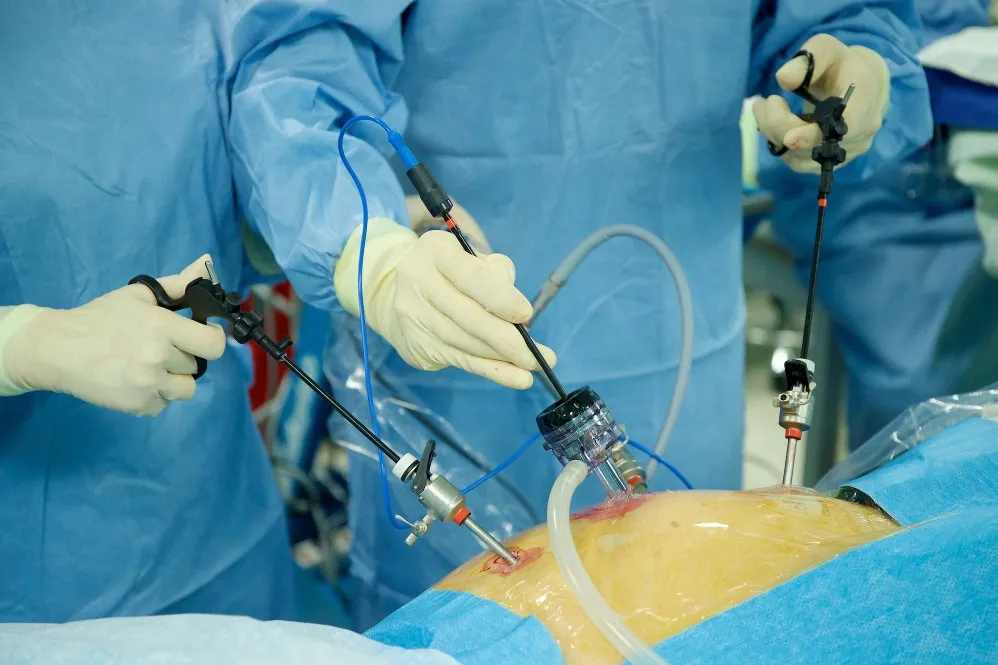
Laparoscopic hernia surgery offers several potential advantages over traditional open surgery for appropriately selected patients.
Benefits may include:
- Smaller incisions
- Less post-operative discomfort
- Faster recovery
- Earlier return to work
- Reduced scarring
- Better visualization of the affected area
The exact recovery varies depending on the patient's health and the complexity of the procedure.
Recovery After Hernia Surgery
Following the surgeon's advice is essential for proper healing.
Recovery usually includes:
- Walking soon after surgery
- Avoiding heavy lifting for a recommended period
- Eating a balanced diet
- Maintaining adequate hydration
- Attending scheduled follow-up visits
Most patients gradually return to normal daily activities while following medical guidance.
Can a Hernia Be Prevented?
Not every hernia can be prevented, but certain habits may reduce the risk of worsening an existing weakness.
Helpful measures include:
- Maintaining a healthy weight
- Treating chronic cough
- Avoiding constipation
- Using proper lifting techniques
- Exercising to strengthen core muscles under guidance
These habits also support recovery after surgery.
A Practical Approach to Hernia Care
Hernias rarely improve without treatment, and delaying surgery may increase the likelihood of complications. Seeking timely evaluation allows patients to understand whether laparoscopic repair is appropriate and what to expect before, during, and after the procedure. Early diagnosis combined with personalized surgical planning often leads to a smoother recovery and better long-term results.
Keywords