A hernia develops when tissue or part of an internal organ pushes through a weakened area of the abdominal wall. It may initially appear as a small swelling that becomes more noticeable while standing, coughing, lifting something heavy, or straining. Some hernias cause little discomfort, while others gradually produce pain, heaviness, or limitations during everyday activities.
For people looking for a laparoscopic hernia repair specialist in Pune, understanding the condition and available surgical approaches can make discussions about treatment clearer and more productive.
Why Hernias Develop
Hernias can occur at different locations in the abdominal wall. Common types include inguinal, umbilical, incisional and femoral hernias. Previous abdominal surgery, natural weakness of the abdominal wall, persistent coughing, constipation, obesity and repeated heavy lifting may contribute to their development.
A hernia generally does not close permanently on its own. However, whether surgery is required immediately depends on the type of hernia, symptoms, size, overall health and risk of complications.
How Laparoscopic Hernia Repair Works
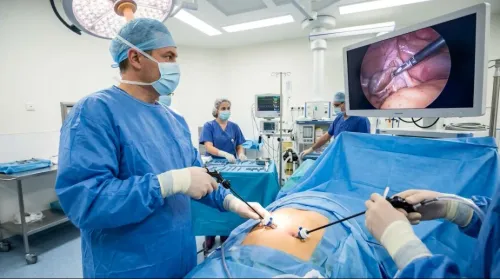
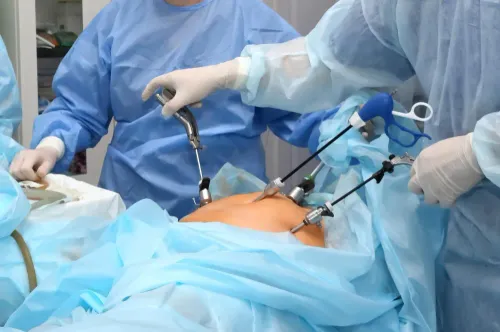
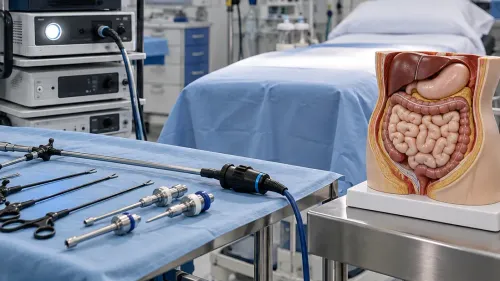
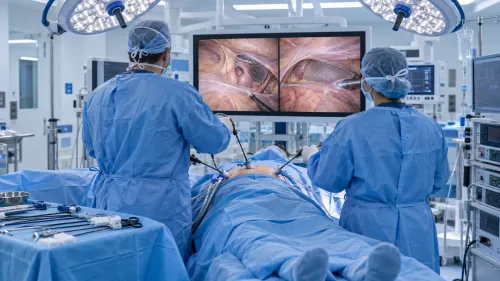
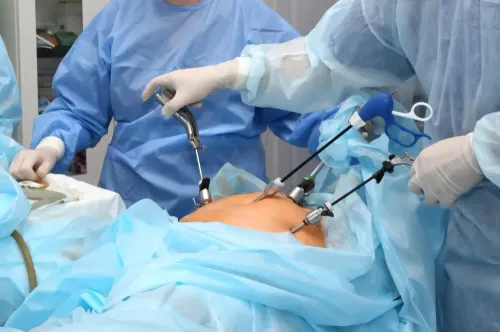
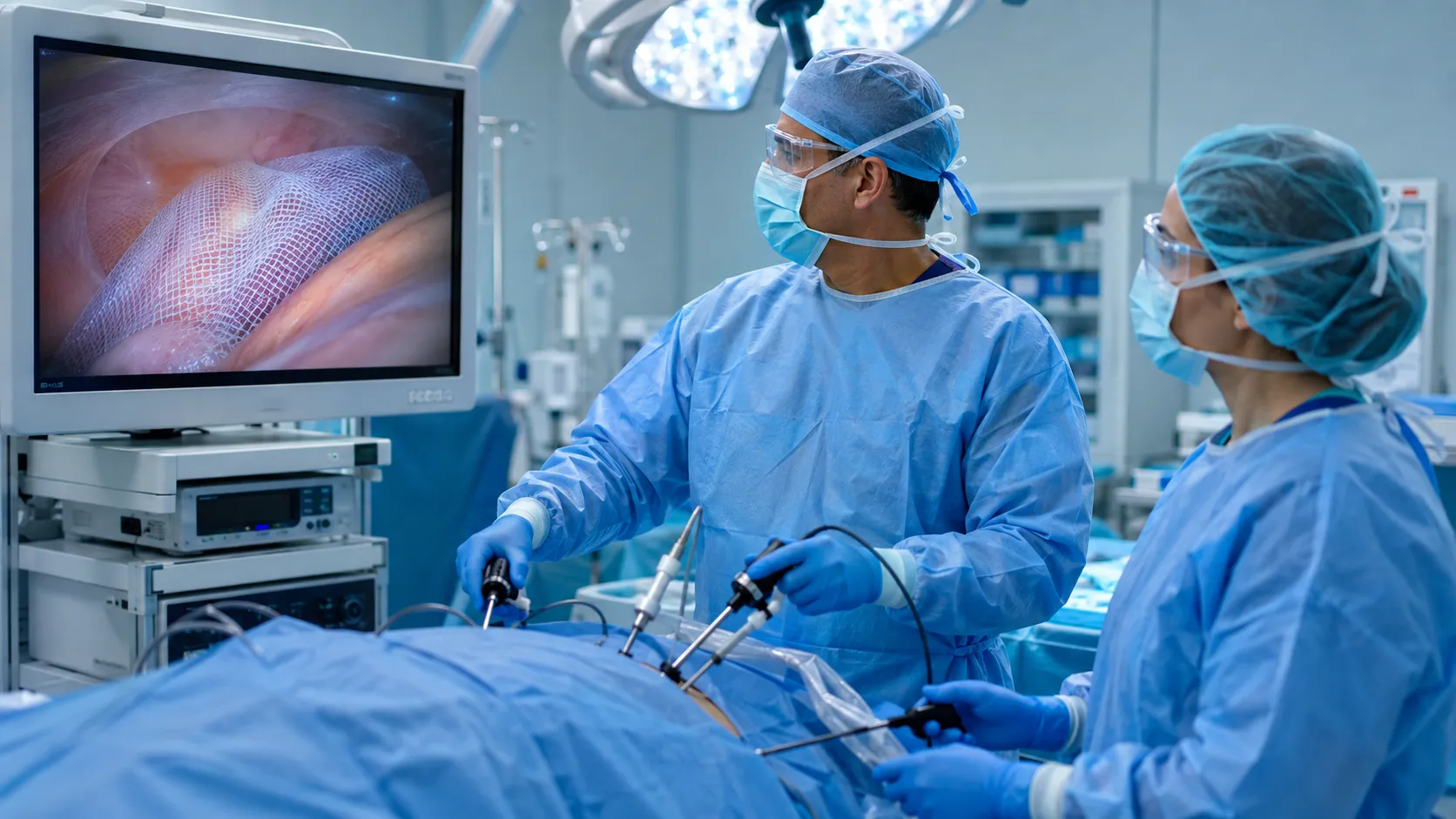
Laparoscopic surgery is performed through small abdominal incisions rather than one larger incision. A laparoscope equipped with a camera allows the surgeon to view the operative area on a monitor. Surgical instruments are introduced through additional small ports to repair the weakened area.
In many abdominal wall and groin hernia procedures, a surgical mesh may be positioned to reinforce the weakened tissue. The exact technique and mesh placement depend on the hernia and individual clinical circumstances.
Potential advantages of minimally invasive surgery in appropriately selected patients can include:
- Smaller surgical incisions
- Reduced wound-related discomfort in some cases
- Earlier return to routine movement
- Better visualisation of parts of the abdominal wall
- Ability to evaluate both groin regions during certain procedures
These benefits are not identical for every patient, which is why surgical assessment remains important.
When Should a Hernia Be Evaluated?
Medical evaluation is particularly important when a swelling is increasing in size, becoming painful or interfering with work and physical activity.
Sudden severe pain requires more urgent attention, especially when the swelling becomes hard or cannot be pushed back, or when symptoms are accompanied by vomiting, abdominal distension or inability to pass stool or gas. These signs can indicate incarceration or obstruction and should not be ignored.
Choosing Between Open and Laparoscopic Repair
Laparoscopic surgery is not automatically the best approach for every hernia. Open repair continues to have an important role in modern hernia surgery.
The decision may depend on:
- Hernia location and size
- Whether it is a first-time or recurrent hernia
- Previous abdominal operations
- Whether the hernia is present on one or both sides
- Patient age and medical conditions
- Findings during clinical examination and imaging
A surgeon should explain why a particular technique is being considered rather than selecting an approach solely because it is described as minimally invasive.
Local Surgical Care in Pune
Patients across Pune and nearby areas such as Wakad and PCMC often benefit from having pre-operative assessment, surgery and post-operative follow-up available within a practical travelling distance. Follow-up is important for checking wound healing, discussing activity progression and identifying any unexpected symptoms.
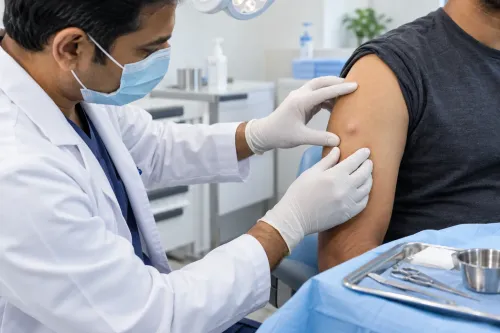
Dr Mahesh B Jadhav provides general and laparoscopic surgical evaluation for patients with hernia-related concerns. Consultation typically focuses on confirming the type of hernia, understanding symptoms and determining whether observation, open repair or laparoscopic treatment is appropriate.
The important first step is an accurate diagnosis. A visible abdominal or groin swelling should not automatically be assumed to be a hernia, and even a confirmed hernia needs an individual treatment plan based on its characteristics and the patient's health.
Keywords