Gallstones are one of the most common digestive conditions requiring surgery. While some people never experience symptoms, others develop severe abdominal pain, nausea, indigestion, or repeated attacks that interfere with everyday life. When gallstones begin causing problems, surgery is often the most effective long-term treatment.
Patients searching for Laparoscopic Cholecystectomy in Pune frequently want to know how the procedure works, whether it is safe, and what recovery involves. Dr Mahesh B Jadhav offers comprehensive assessment and treatment for gallbladder disease using modern surgical techniques suited to each patient's condition.
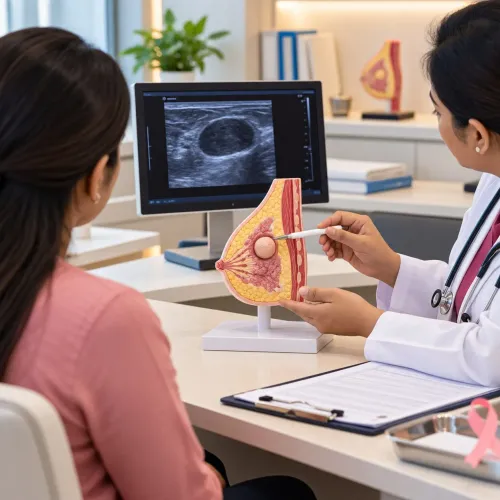
Understanding Gallbladder Stones
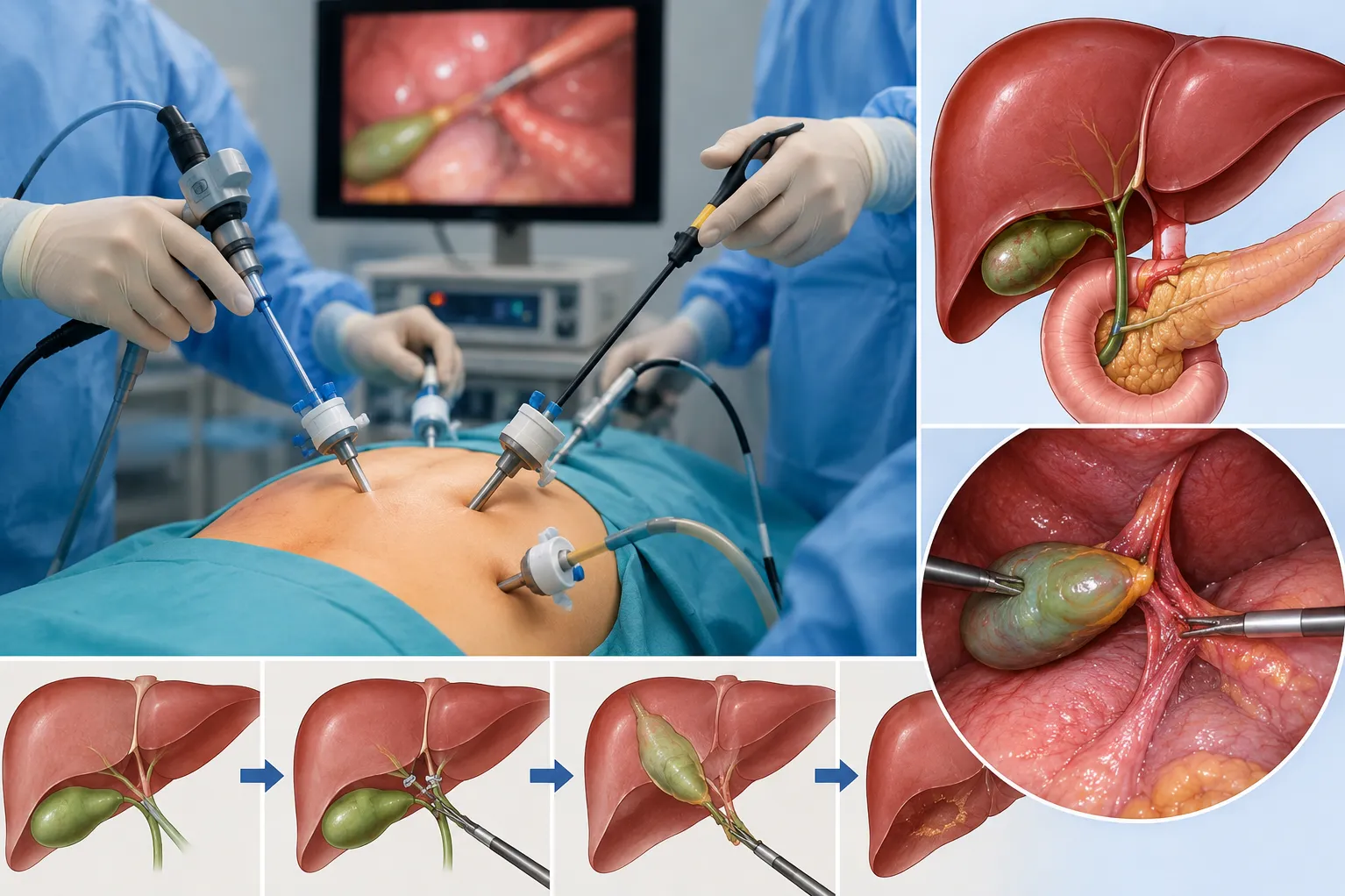
The gallbladder stores bile, a digestive fluid produced by the liver. Gallstones develop when substances in the bile harden into small stones.
Some people experience:
- Pain after fatty meals
- Discomfort in the upper right abdomen
- Nausea
- Vomiting
- Bloating
- Pain spreading to the back or right shoulder
Repeated attacks should not be ignored, as they may indicate inflammation or blockage.
Why Laparoscopic Surgery Is Commonly Recommended
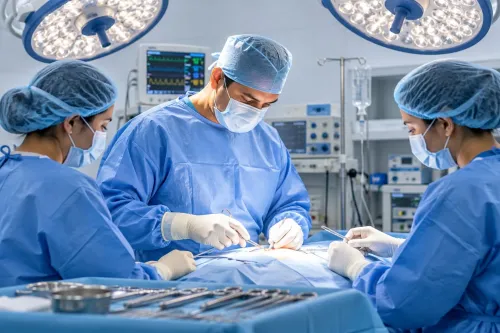
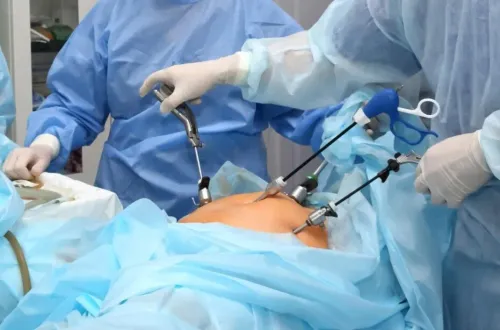
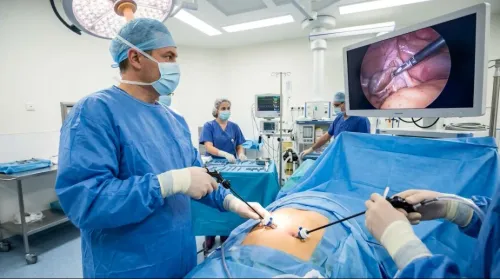
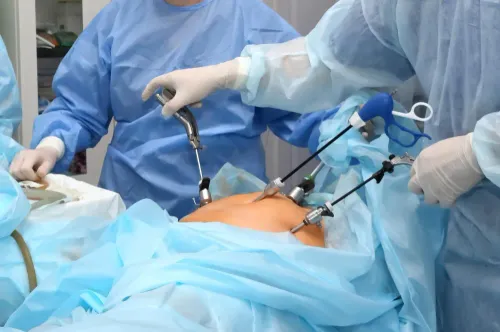
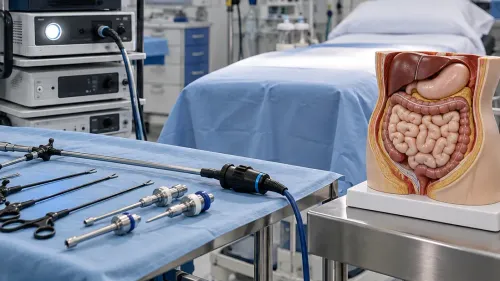
Laparoscopic cholecystectomy removes the gallbladder through small incisions using specialised instruments and a camera.
Compared with traditional surgery, potential advantages include:
- Smaller surgical wounds
- Less pain after surgery
- Faster recovery
- Reduced hospital stay in many cases
- Earlier return to routine activities
- Better cosmetic results
The exact approach depends on the patient's overall health and the severity of the disease.
Gallbladder Care in Pune
People across Pune often delay treatment because pain episodes disappear after a few hours. Unfortunately, temporary relief does not mean the gallstones have gone away.
Untreated gallstones may lead to:
- Gallbladder infection
- Blockage of bile ducts
- Pancreatitis
- Emergency surgery
Early evaluation allows planned treatment instead of emergency intervention.
Recovery After Gallbladder Surgery
Most patients recover steadily by following their surgeon's instructions.
Recovery generally includes:
- Walking soon after surgery
- Eating light meals initially
- Drinking adequate fluids
- Avoiding strenuous activity for a short period
- Returning for scheduled follow-up visits
Many patients resume normal activities much sooner than they expect.
Looking Beyond the Surgery
Gallbladder removal is one of the most commonly performed laparoscopic procedures worldwide. Timely diagnosis, proper surgical planning, and adherence to recovery advice help patients return to everyday life with fewer digestive symptoms and a reduced risk of future complications.
Keywords