A hernia often starts as a small, painless bulge that many people choose to ignore. It may disappear while lying down and return after standing, coughing, or lifting heavy objects. Because the symptoms can seem mild initially, treatment is frequently postponed. However, a hernia does not heal on its own, and delaying surgery can increase the risk of complications.
If you are considering Hernia Surgery in PCMC, understanding the warning signs and treatment options can help you make an informed decision before the condition becomes more serious. Dr Mahesh B Jadhav evaluates patients carefully to determine the safest and most appropriate surgical approach based on their symptoms, overall health, and the type of hernia.
Recognising the Symptoms Early in Pune
Residents across Pune often continue with their daily routine despite having a hernia because the discomfort comes and goes. While some hernias remain stable for a period, others gradually enlarge.
Common symptoms include:
- A visible swelling in the groin or abdomen
- Pain while lifting weights
- Discomfort after standing for long hours
- A feeling of heaviness in the lower abdomen
- Swelling that becomes more noticeable while coughing
If the swelling suddenly becomes painful, firm, or cannot be pushed back, immediate medical attention is essential.
Why Surgery Is the Permanent Solution
Unlike muscle strains or minor injuries, a hernia cannot close on its own because there is already a weakness in the abdominal wall.
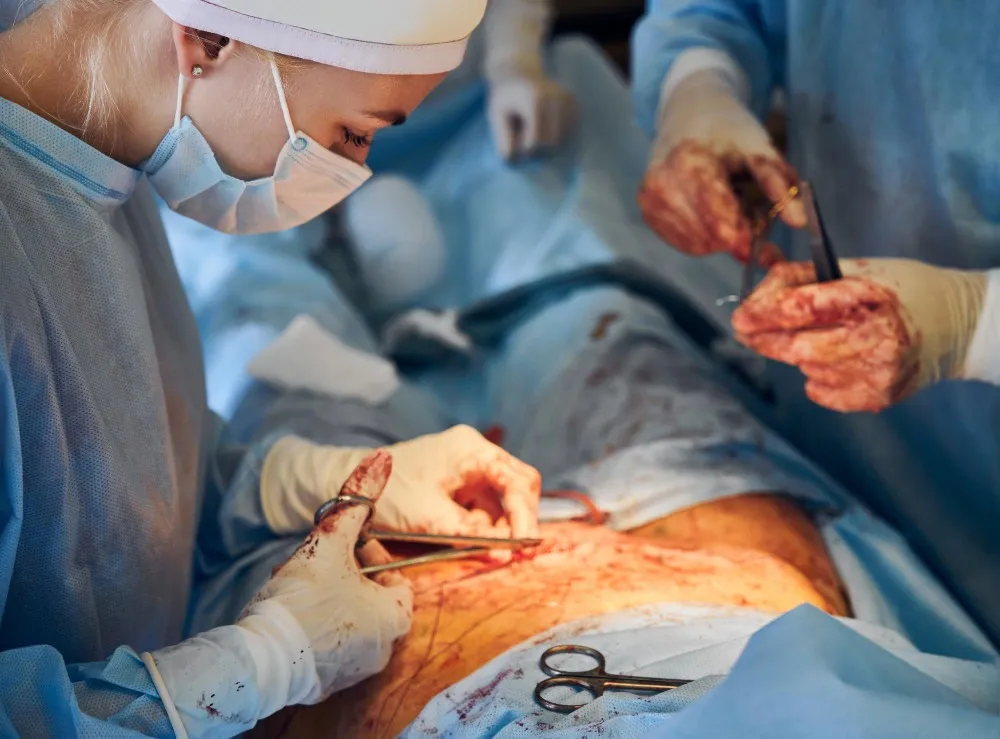
Surgery aims to:
- Repair the weakened muscle
- Prevent the hernia from increasing in size
- Reduce the risk of bowel obstruction
- Restore normal abdominal support
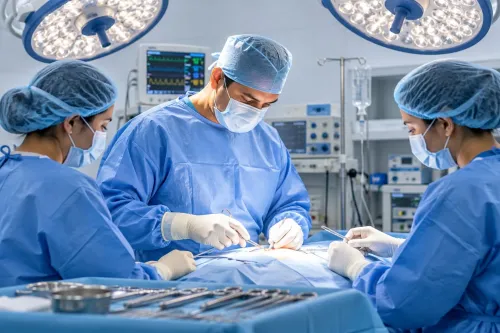
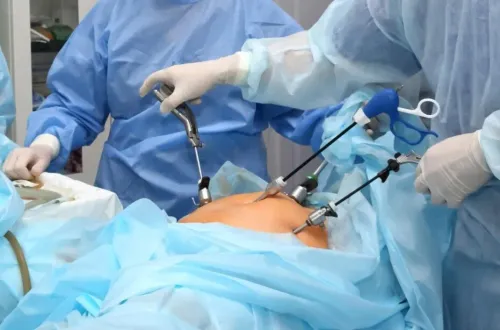
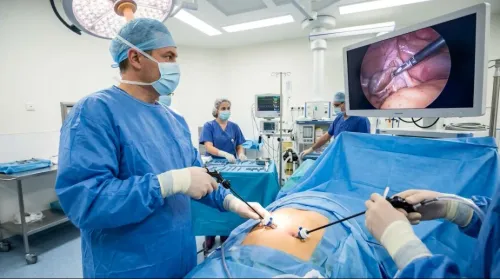
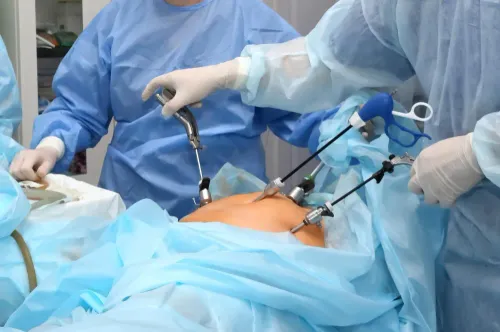
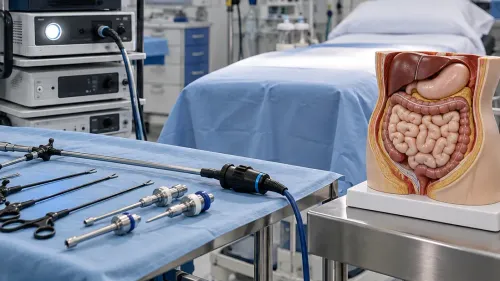
Modern surgical techniques, including laparoscopic procedures in suitable patients, have made recovery faster and more comfortable than many people expect.
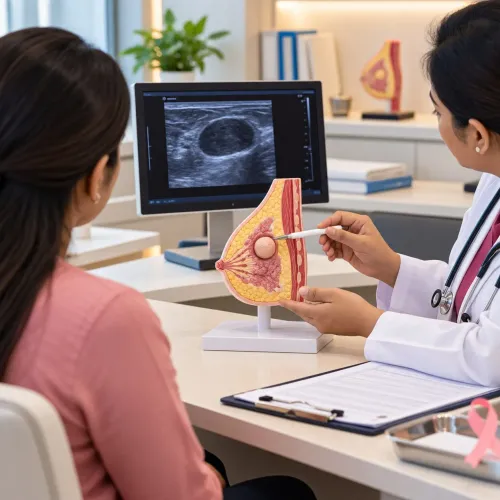
What Happens During Your Surgical Evaluation?
A consultation is more than simply confirming that surgery is needed. Your surgeon will assess:
- The size and type of hernia
- Medical history
- Previous surgeries
- Current medications
- Lifestyle and work requirements
This information helps determine the most suitable surgical technique and expected recovery timeline.
Recovery Tips After Hernia Surgery
Good recovery depends on following post-operative advice.
Patients are usually advised to:
- Walk regularly without overexertion
- Avoid lifting heavy objects for several weeks
- Eat fibre-rich foods to prevent constipation
- Maintain a healthy weight
- Attend scheduled follow-up appointments
Following these recommendations supports proper healing and reduces strain on the repaired area.
Making the Right Decision
Many patients postpone surgery because the symptoms appear manageable. However, hernias generally become larger with time and rarely improve without treatment. Seeking early surgical evaluation allows patients to understand their options and schedule treatment before complications arise, leading to a safer procedure and a smoother recovery.
Keywords