Gallbladder surgery is surrounded by many misconceptions. Some people believe surgery should always be avoided, while others think every gallstone requires immediate removal. These misunderstandings can delay proper treatment and allow symptoms to worsen over time.
If you're considering Gallbladder Surgery in Pune, separating facts from myths can help you make informed healthcare decisions. Dr Mahesh B Jadhav believes that educating patients is just as important as providing surgical care, ensuring every treatment recommendation is based on individual medical needs rather than common misconceptions.
Myth 1: Every Gallstone Needs Surgery
Not necessarily.
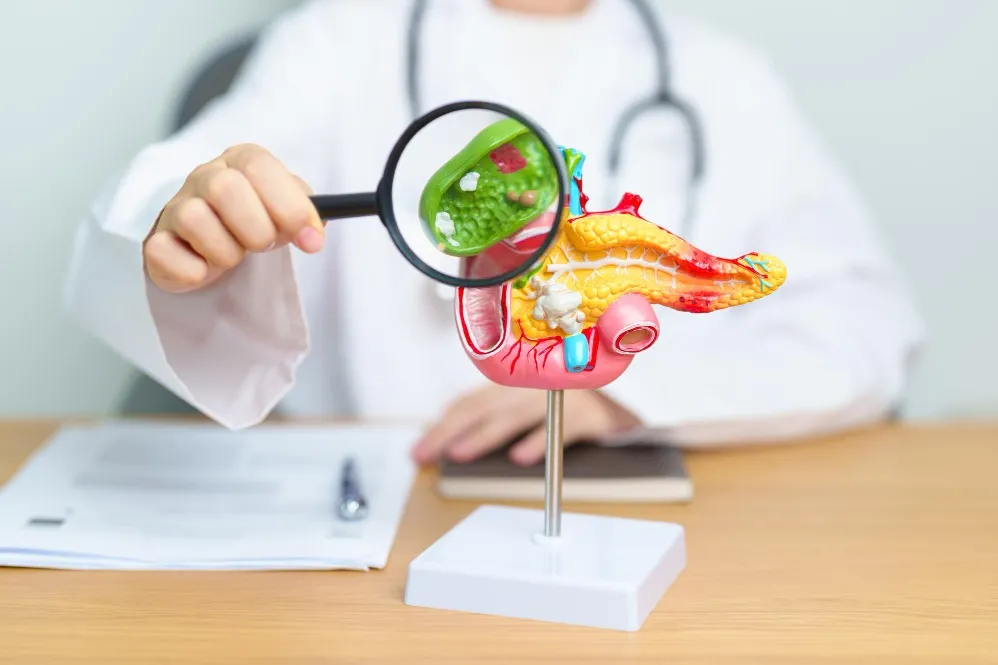
Many gallstones are discovered accidentally during health check-ups and never cause symptoms. Surgery is usually recommended when gallstones lead to repeated pain, infection, inflammation, or other complications.
A thorough medical evaluation helps determine whether observation or surgery is the better option.
Myth 2: Gallbladder Surgery Is a Major Procedure
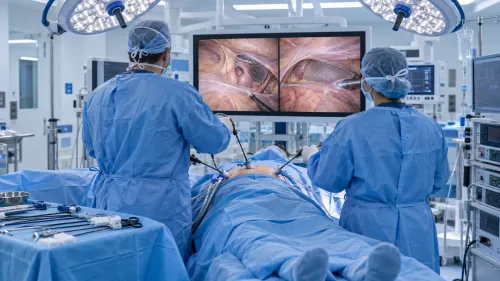
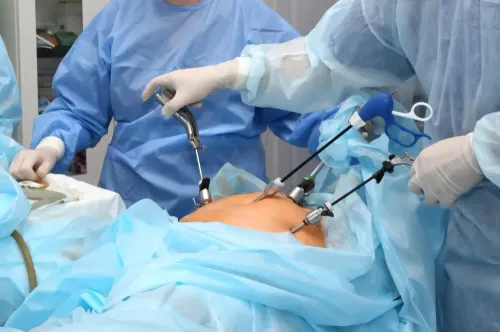
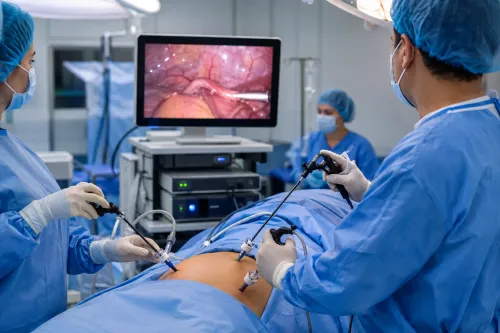
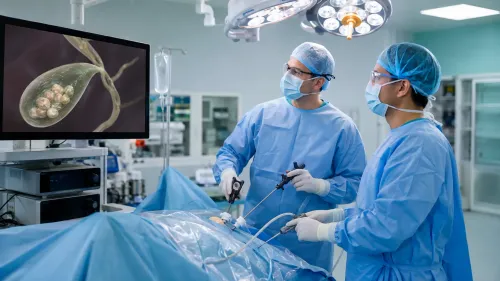
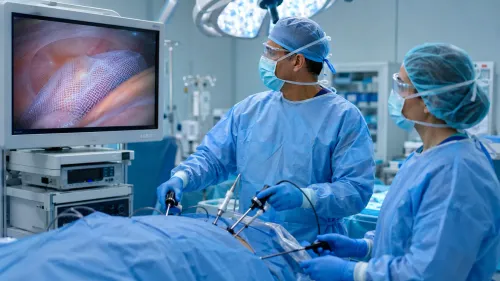
Modern laparoscopic techniques have changed the way gallbladder surgery is performed.
For many suitable patients, the procedure involves:
- Small incisions
- Shorter hospital stay
- Faster mobility
- Less post-operative discomfort
- Quicker return to work
Every patient is different, but minimally invasive surgery has significantly improved recovery.
Myth 3: You Cannot Digest Food Normally Afterwards
The liver continues producing bile even after the gallbladder is removed.
Most patients gradually return to a normal diet after recovery, although some may initially benefit from eating smaller, lighter meals while the digestive system adjusts.
When Should People in Pune Seek Medical Advice?
Don't wait until the pain becomes severe.
Consult a surgeon if you experience:
- Repeated upper abdominal pain
- Pain after eating oily food
- Fever with abdominal discomfort
- Persistent nausea
- Vomiting associated with abdominal pain
- Jaundice or yellowing of the eyes
Early diagnosis often prevents emergency situations.
Choosing the Right Surgeon
When evaluating your treatment options, consider factors such as:
- Experience with laparoscopic procedures
- Comprehensive patient assessment
- Clear explanation of risks and benefits
- Personalised treatment planning
- Structured post-operative follow-up
These aspects contribute to a safer and more comfortable treatment experience.
Gallbladder disease should never be managed based on myths or internet rumours alone. Understanding the facts allows patients to seek treatment at the right time, avoid unnecessary complications, and make confident decisions about their health. A timely surgical consultation can clarify whether surgery is appropriate and what the expected recovery journey will look like.
Keywords