An anal fistula is a condition that often begins with a small infection near the anus but can develop into a recurring problem if left untreated. Many people mistake the symptoms for ordinary boils or piles, delaying the correct diagnosis. Unfortunately, repeated infections rarely resolve permanently without appropriate medical treatment.
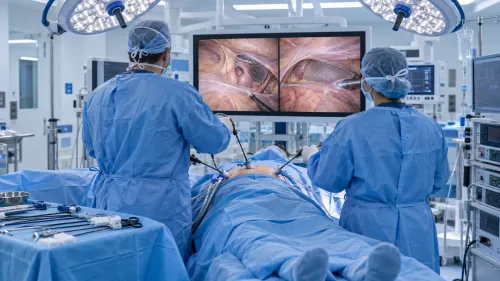
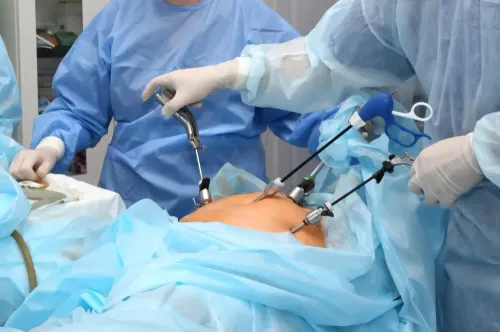
Patients looking for Fistula Surgery in Pune are often seeking lasting relief after months of recurring pain and drainage. Dr Mahesh B Jadhav carefully evaluates the condition to recommend a treatment plan that aims to eliminate the fistula while preserving normal bowel function whenever possible.
What Is an Anal Fistula?
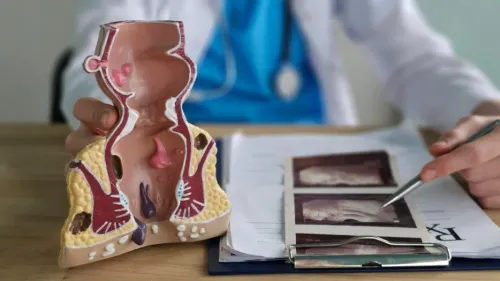
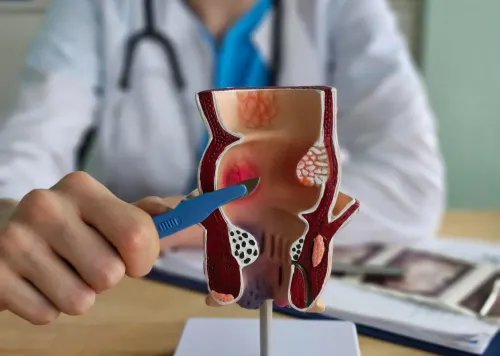
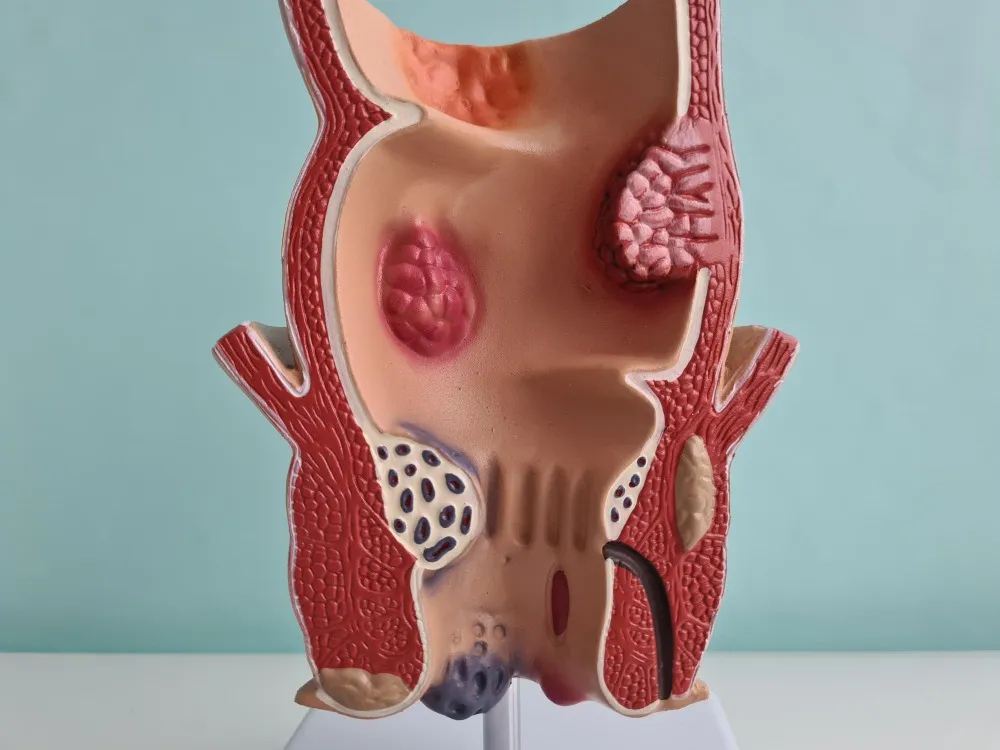
An anal fistula is an abnormal tunnel that forms between the anal canal and the skin around the anus. It commonly develops after an abscess has drained or healed incompletely.
Typical symptoms include:
- Persistent pain near the anus
- Recurrent swelling
- Pus or fluid discharge
- Skin irritation
- Bleeding
- Pain while sitting
The symptoms may temporarily improve before returning again.
Why Medicines Alone Usually Aren't Enough
Antibiotics may reduce infection temporarily, but they generally do not remove the fistula tract itself.
Without proper treatment, patients may continue experiencing:
- Repeated abscess formation
- Ongoing drainage
- Chronic discomfort
- Difficulty maintaining hygiene
- Interrupted daily activities
Surgical treatment focuses on addressing the underlying fistula rather than simply treating the infection.
Finding the Right Treatment in Pune
The best surgical approach depends on several factors, including:
- The location of the fistula
- Its complexity
- Previous infections
- Any earlier surgeries
- Overall patient health
Modern diagnostic methods help surgeons understand the exact course of the fistula before planning treatment.
Recovery Tips After Fistula Surgery
Recovery is often smoother when patients follow simple post-operative care instructions.
These typically include:
- Maintaining good hygiene
- Taking sitz baths if advised
- Eating fibre-rich foods
- Staying well hydrated
- Preventing constipation
- Attending follow-up appointments
Following medical advice helps support healing and reduces the likelihood of complications.
Why Prompt Evaluation Matters
Many patients live with recurring infections for months before consulting a surgeon. Seeking timely medical attention allows for accurate diagnosis, appropriate treatment planning, and better long-term outcomes. Addressing the condition early can reduce repeated discomfort and help patients return to their normal routine with greater confidence.
Keywords