Anal pain is frequently described simply as 'piles,' but several conditions can produce symptoms around the anus. Two commonly confused problems are anal fissure and anal fistula. Their causes, symptoms and treatments are different, so distinguishing between them is essential.
Patients looking for fistula and fissure treatment in Pune can make better treatment decisions by first understanding what separates these two conditions.
What Is an Anal Fissure?
An anal fissure is a small tear in the lining of the anal canal. It is often associated with passing a hard stool, constipation or repeated straining.
The characteristic symptom is sharp pain during bowel movement. The discomfort may continue for some time afterwards. A small amount of bright red blood may also be seen on toilet paper or on the surface of the stool.
Recent fissures may improve with measures designed to reduce trauma during bowel movements.
These can include:
- Increasing dietary fibre
- Maintaining adequate hydration
- Stool-softening treatment when prescribed
- Avoiding excessive straining
- Using prescribed local medication
Chronic fissures that fail to heal may require additional medical or surgical treatment.
What Is an Anal Fistula?
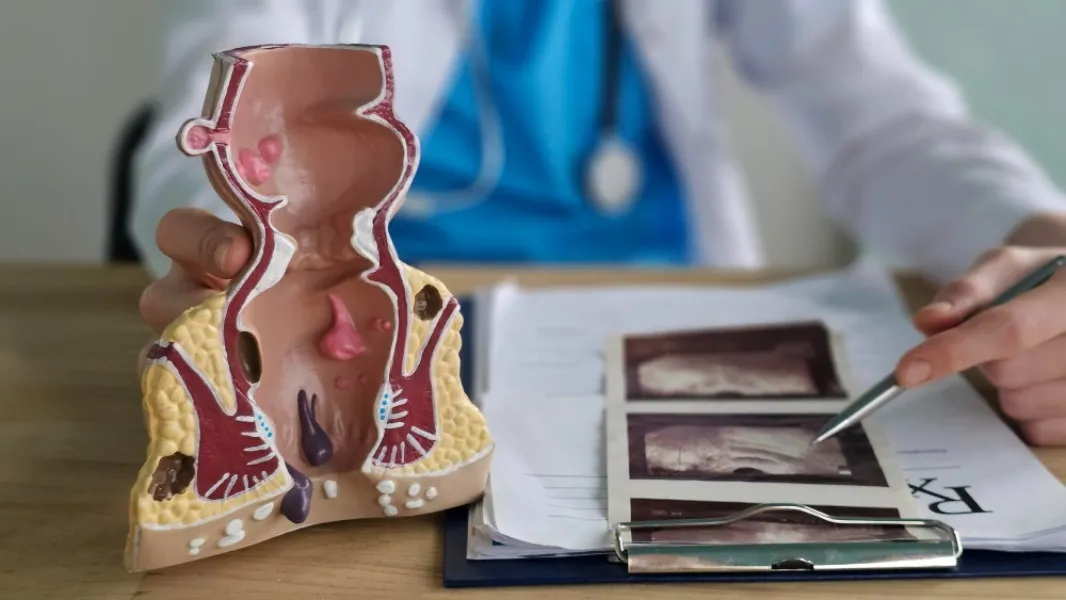
An anal fistula is an abnormal tract connecting the anal canal to the skin around the anus. Many fistulas develop after an infection or abscess involving glands near the anal canal.
Symptoms can include recurrent swelling, discharge of pus or fluid, irritation around an external opening and episodes of pain when infection builds up.
Unlike a simple fissure, a fistula is a tract rather than a tear.
Fissure Versus Fistula
The symptom pattern can provide useful clues.
Fissure: Pain is often strongly related to bowel movements and may be accompanied by fresh bleeding.
Fistula: Recurrent discharge, swelling or repeated abscess formation is more characteristic.
However, self-diagnosis is unreliable. Examination is often necessary, particularly when symptoms persist.
Why Fistula Treatment Requires Careful Planning
The anatomy of a fistula matters because the tract may pass through muscles responsible for bowel control. Treatment therefore aims not only to address the fistula but also to preserve sphincter function as far as possible.
The appropriate technique depends on factors such as the tract's location, complexity, previous abscesses or operations and involvement of surrounding muscles.
Some patients may need imaging, such as MRI, to define complex fistula anatomy before treatment.
Common Mistakes That Delay Recovery
One frequent mistake is repeatedly using over-the-counter piles creams for persistent anal pain without obtaining a diagnosis.
Another is assuming that discharge from a fistula means the infection has permanently resolved. A fistula may continue to drain intermittently and then become painful again.
Similarly, people with chronic fissures may focus only on pain-relieving creams while continuing to experience constipation, which can repeatedly traumatise the area.
Getting Evaluated in Pune
Dr Mahesh B Jadhav provides general surgical assessment for anorectal conditions in Pune. Evaluation is particularly useful when patients have persistent pain, recurrent bleeding, repeated swelling or ongoing discharge.
People travelling from Wakad and surrounding PCMC areas may also benefit from arranging follow-up close to their regular work and home routines.
Fissures and fistulas can both be uncomfortable, but they are fundamentally different conditions. Identifying which problem is present is the first step toward selecting appropriate treatment and avoiding repeated self-treatment for the wrong diagnosis.
Keywords