Once gallstones begin causing repeated painful attacks or complications, patients may be advised to consider removal of the gallbladder. The standard operation is called cholecystectomy, and it is frequently performed using a laparoscopic approach.
Choosing a laparoscopic cholecystectomy surgeon in Pune should involve more than searching for the nearest hospital or selecting a provider based solely on claims about quick recovery. Good decision-making begins with confirming why surgery has been advised and understanding how the surgeon plans to manage the case.
Confirm the Reason for Surgery
Gallstones discovered incidentally do not always require an operation. Surgery is more commonly discussed when stones produce repeated symptoms or gallbladder-related complications.
Before proceeding, patients should understand:
- Whether their symptoms are consistent with gallstone disease
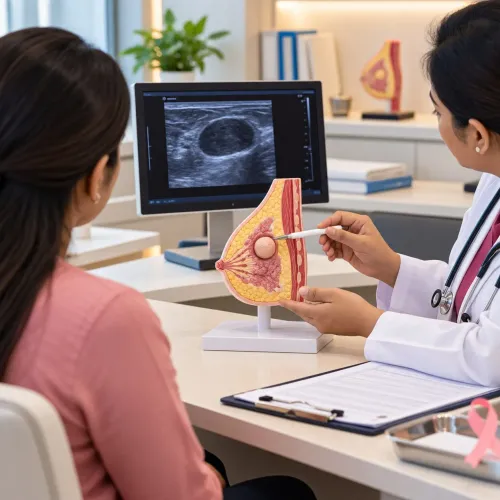
- What the ultrasound shows
- Whether blood tests indicate inflammation or obstruction
- Whether the common bile duct needs further evaluation
- Whether there has been previous gallbladder inflammation
This distinction matters because abdominal discomfort can also arise from acidity, ulcers, liver conditions and other gastrointestinal problems.
Ask About the Surgical Approach
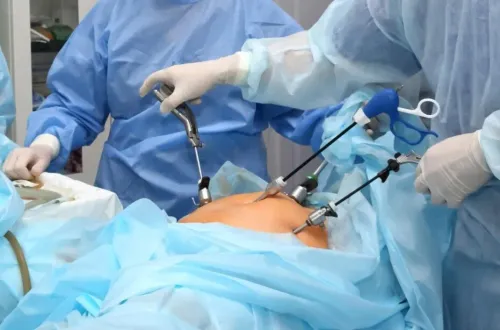
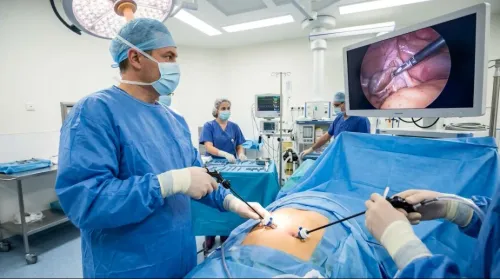
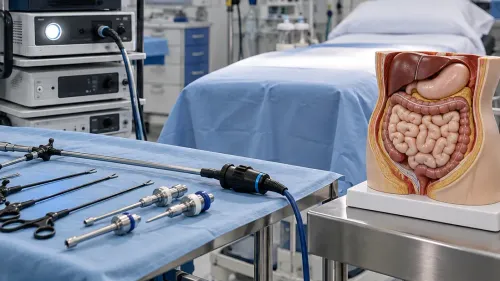
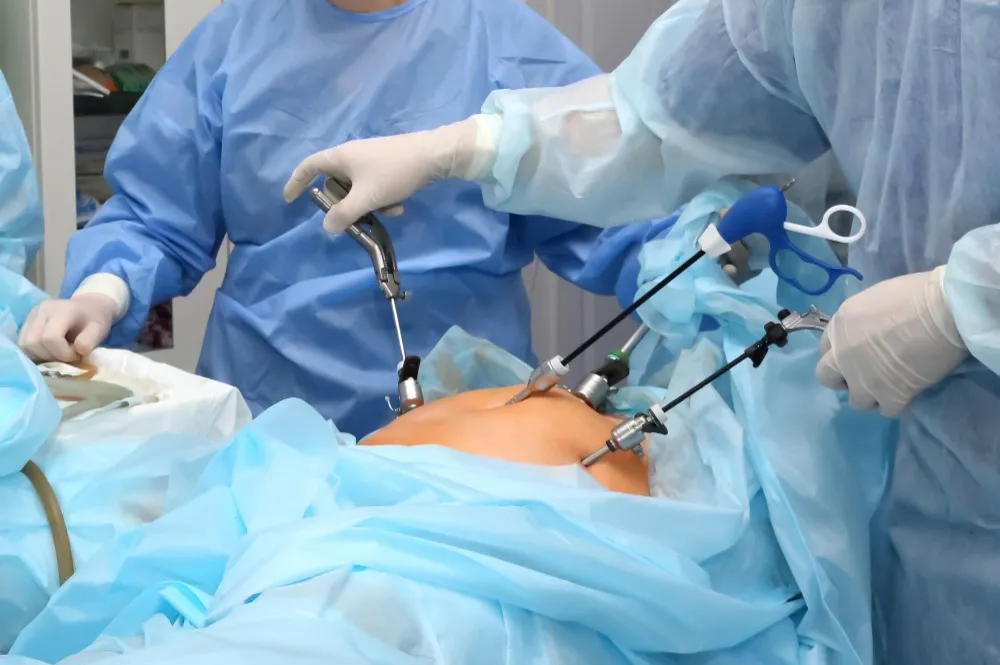
Laparoscopic cholecystectomy generally involves small abdominal incisions through which a camera and instruments are inserted. The gallbladder is separated from surrounding structures and removed.
Although minimally invasive surgery is commonly used, patient safety takes priority over maintaining a particular technique. Occasionally, operative findings can make conversion to open surgery appropriate.
A surgeon should be comfortable explaining this possibility before the procedure rather than presenting laparoscopy as an absolute guarantee.
Understand Pre-Operative Assessment
Safe surgery begins before entering the operating theatre.
Depending on age, medical history and health conditions, assessment may include blood tests, ECG, chest evaluation, anaesthesia review and additional investigations.
Patients should provide complete information about:
- Diabetes
- High blood pressure
- Heart or lung conditions
- Previous abdominal surgery
- Allergies
- Current medicines
- Blood-thinning medication
Medication should not be stopped or changed independently without appropriate medical instructions.
Discuss Recovery Before Surgery
Knowing what to expect after surgery makes practical planning easier.
Ask when walking usually begins, when oral intake can restart, how wounds should be cared for and when routine activities can gradually resume. People whose jobs involve heavy physical work may need different advice from those with desk-based occupations.
Patients should also know which post-operative symptoms require prompt review.
Consider Follow-Up Accessibility
Gallbladder surgery is not only about the operation itself. Follow-up allows the surgeon to assess wounds, review recovery and address symptoms or questions.
For people living or working in Pune, Wakad and nearby PCMC areas, convenient access to follow-up can be a meaningful factor when selecting surgical care.
Evaluate Communication, Not Just Technology
Modern equipment is useful, but clear communication remains central to surgical care.
A consultation should leave the patient understanding the diagnosis, proposed procedure, alternatives, expected recovery and relevant risks. Patients should feel able to ask why surgery is needed and what would happen if treatment were postponed.
Dr Mahesh B Jadhav provides general and laparoscopic surgical care for gallbladder conditions in Pune. Evaluation includes reviewing symptoms and investigations before determining whether laparoscopic cholecystectomy is clinically appropriate.
Choosing a surgeon is ultimately about informed confidence rather than promotional claims. A well-planned gallbladder operation starts with accurate diagnosis, careful pre-operative assessment and a clear discussion of what the procedure and recovery are likely to involve.
Keywords