Many people ignore symptoms such as persistent abdominal pain, swelling, recurring infections, or unexplained lumps, hoping they will improve with time. While some conditions do settle on their own, others require timely evaluation by a qualified general surgeon. Knowing when to seek surgical advice can prevent complications and make treatment simpler.
Dr Mahesh B Jadhav provides comprehensive evaluation and treatment for a wide range of general surgical conditions, helping patients understand whether surgery is necessary or if conservative treatment is still an option.
Common Conditions Treated by a General Surgeon in PCMC
A general surgeon manages many conditions affecting the abdomen, skin, thyroid, soft tissues, and digestive system. Some of the most common include:
- Hernias
- Gallbladder stones
- Appendicitis
- Lipomas
- Piles
- Anal fistulas
- Thyroid disorders requiring surgery
- Soft tissue swellings and cysts
Early diagnosis often allows treatment before complications develop.
Signs You Shouldn't Ignore
Some symptoms deserve prompt medical attention rather than home remedies or repeated painkillers.
Watch for:
- Persistent abdominal pain
- Sudden swelling in the groin or abdomen
- Fever with abdominal tenderness
- Bleeding during bowel movements
- Painful lumps beneath the skin
- Repeated digestive discomfort after meals
- Unexplained weight loss associated with abdominal symptoms
These signs may indicate conditions that benefit from early surgical assessment.
Why Early Evaluation Matters in Pune
People across Pune and PCMC often postpone consultations because they fear surgery. In reality, many surgical conditions become more complex when left untreated.
For example:
- A small hernia may enlarge over time.
- Gallstones can lead to infection or inflammation.
- Appendicitis may progress to rupture.
- Chronic piles may become increasingly painful.
- Certain thyroid nodules require timely investigation.
Early consultation provides clarity and allows patients to understand every available treatment option before problems become more serious.
Surgery Isn't Always the First Recommendation
One of the biggest misconceptions is that every visit to a surgeon results in an operation.
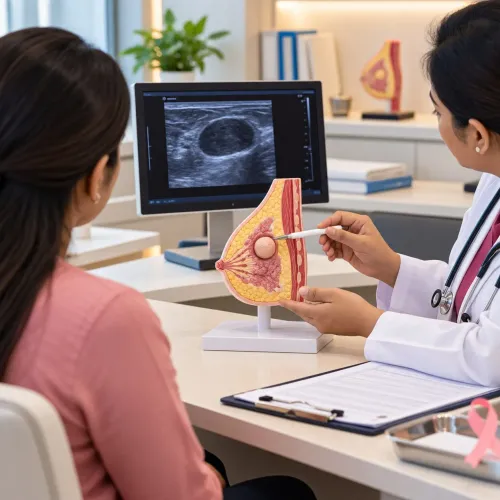
An experienced surgeon first focuses on accurate diagnosis through:
- Physical examination
- Medical history
- Blood investigations
- Ultrasound or CT scan when required
- Additional diagnostic procedures where appropriate
Only after understanding the exact cause is the most suitable treatment recommended. Sometimes medication, lifestyle changes, or observation may be sufficient.
Choosing the Right General Surgeon
When selecting a surgeon, patients should consider:
- Experience with common and complex surgical procedures
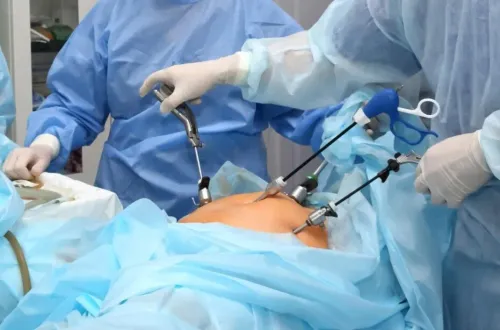
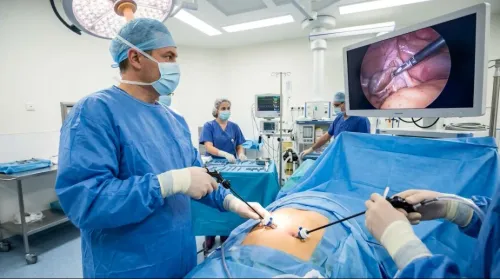
- Availability of minimally invasive techniques
- Clear communication about treatment options
- Emphasis on patient safety
- Structured follow-up care
These factors contribute to a smoother treatment journey and greater confidence in decision-making.
Finding the Best General Surgeon in PCMC isn't only about choosing someone who performs surgeries. It's about consulting a specialist who carefully evaluates symptoms, explains available options, and recommends treatment based on individual needs. Whether the concern is a hernia, gallbladder disease, appendicitis, or another surgical condition, seeking timely medical advice can lead to better outcomes and a quicker recovery.
Keywords