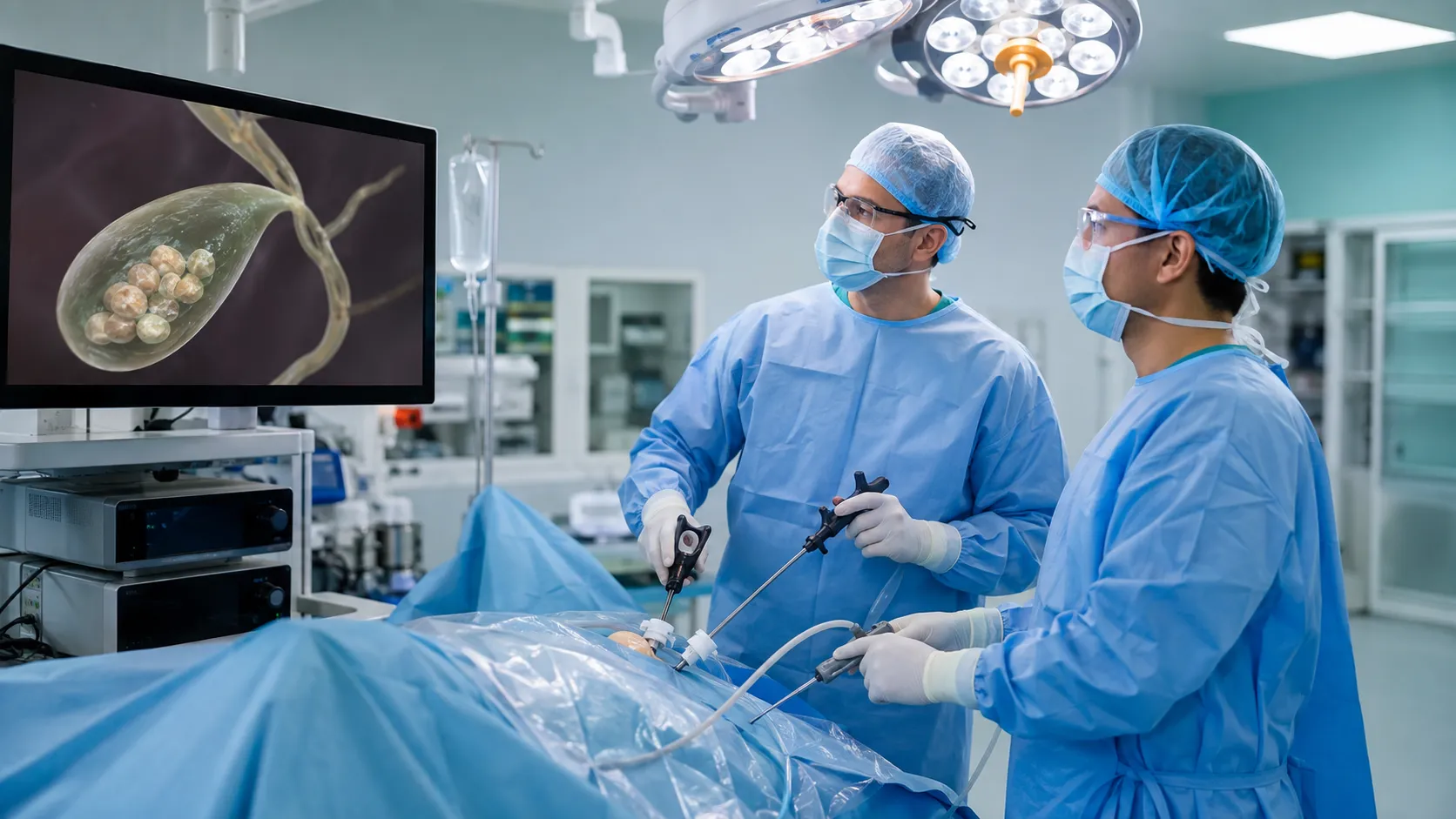
Gallstones are solid deposits that form inside the gallbladder, a small organ located beneath the liver. Many people have gallstones without experiencing symptoms. Problems usually begin when stones obstruct the normal flow of bile and trigger episodes of pain, inflammation or other complications.
Patients considering advanced gallbladder stone surgery in PCMC often want to know whether every gallstone requires an operation. The short answer is no. Treatment decisions are generally based on symptoms, complications and clinical findings rather than the presence of stones alone.
What Gallstone Pain Usually Feels Like
Typical gallstone-related pain occurs in the upper right or upper central abdomen. It may begin after a heavy or fatty meal and can sometimes spread toward the back or right shoulder.
Associated symptoms may include:
- Nausea or vomiting
- Bloating or digestive discomfort
- Persistent upper abdominal pain
- Fever when inflammation or infection develops
- Yellowing of the skin or eyes if bile flow becomes obstructed
Because abdominal pain can have many causes, symptoms alone are not enough to confirm gallstones.
How Gallstones Are Diagnosed
Ultrasound is commonly used to identify gallstones and assess the gallbladder. Blood investigations may also be requested when inflammation, infection, liver involvement or bile duct obstruction is suspected.
Further investigations may be needed when there is concern that a stone has entered the common bile duct.
The evaluation helps distinguish uncomplicated gallstones from conditions such as acute cholecystitis, pancreatitis or bile duct obstruction.
What Is Laparoscopic Gallbladder Surgery?
When gallstones repeatedly cause symptoms or complications, removal of the gallbladder may be recommended. The operation is known as cholecystectomy.
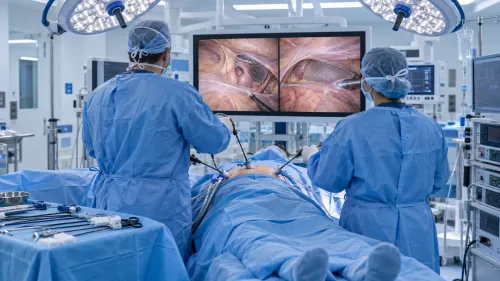
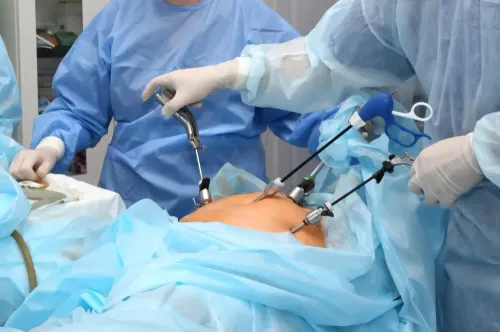
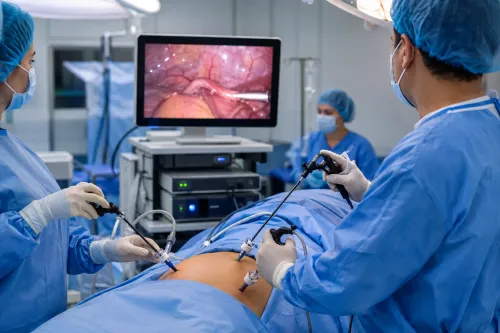
Laparoscopic cholecystectomy is commonly performed using several small abdominal incisions. A camera provides a magnified view while the surgeon carefully separates and removes the gallbladder.
The stones are generally not removed while leaving a problematic gallbladder in place because the gallbladder itself can continue forming stones.
Can You Live Normally Without a Gallbladder?
Yes. The gallbladder stores bile but does not produce it. Bile is produced by the liver and continues to enter the digestive system after gallbladder removal.
Most patients gradually return to their normal diet. Some people may experience temporary digestive changes and may initially find smaller, lower-fat meals more comfortable.
When Surgery Becomes More Important
Repeated painful attacks can significantly affect daily life, but symptoms are not the only consideration. Surgery may be discussed when gallstones are associated with recurrent inflammation or other clinically significant complications.
Severe persistent abdominal pain, fever, repeated vomiting or jaundice deserves prompt medical evaluation rather than home treatment.
Gallbladder Care in PCMC
For patients in Pimpri Chinchwad, Nigdi, Wakad and surrounding parts of Maharashtra, timely surgical assessment can help establish whether symptoms are genuinely coming from the gallbladder and whether surgery is appropriate.
Dr Mahesh B Jadhav evaluates gallbladder conditions as part of general and laparoscopic surgical care. Assessment may include reviewing ultrasound findings, previous episodes, blood reports and other health conditions before discussing treatment.
Gallstones are common, but their management should be individualised. Someone with incidentally detected stones may require a very different approach from a patient experiencing repeated painful attacks or gallbladder inflammation. Understanding that distinction helps patients make informed decisions instead of assuming that every ultrasound finding automatically means surgery.
Keywords