
Appendicitis is inflammation of the appendix, a narrow pouch connected to the beginning of the large intestine. It can progress quickly, making early diagnosis particularly important. Although abdominal pain has many possible causes, appendicitis is one condition that should not be ignored when symptoms become persistent or progressively worse.
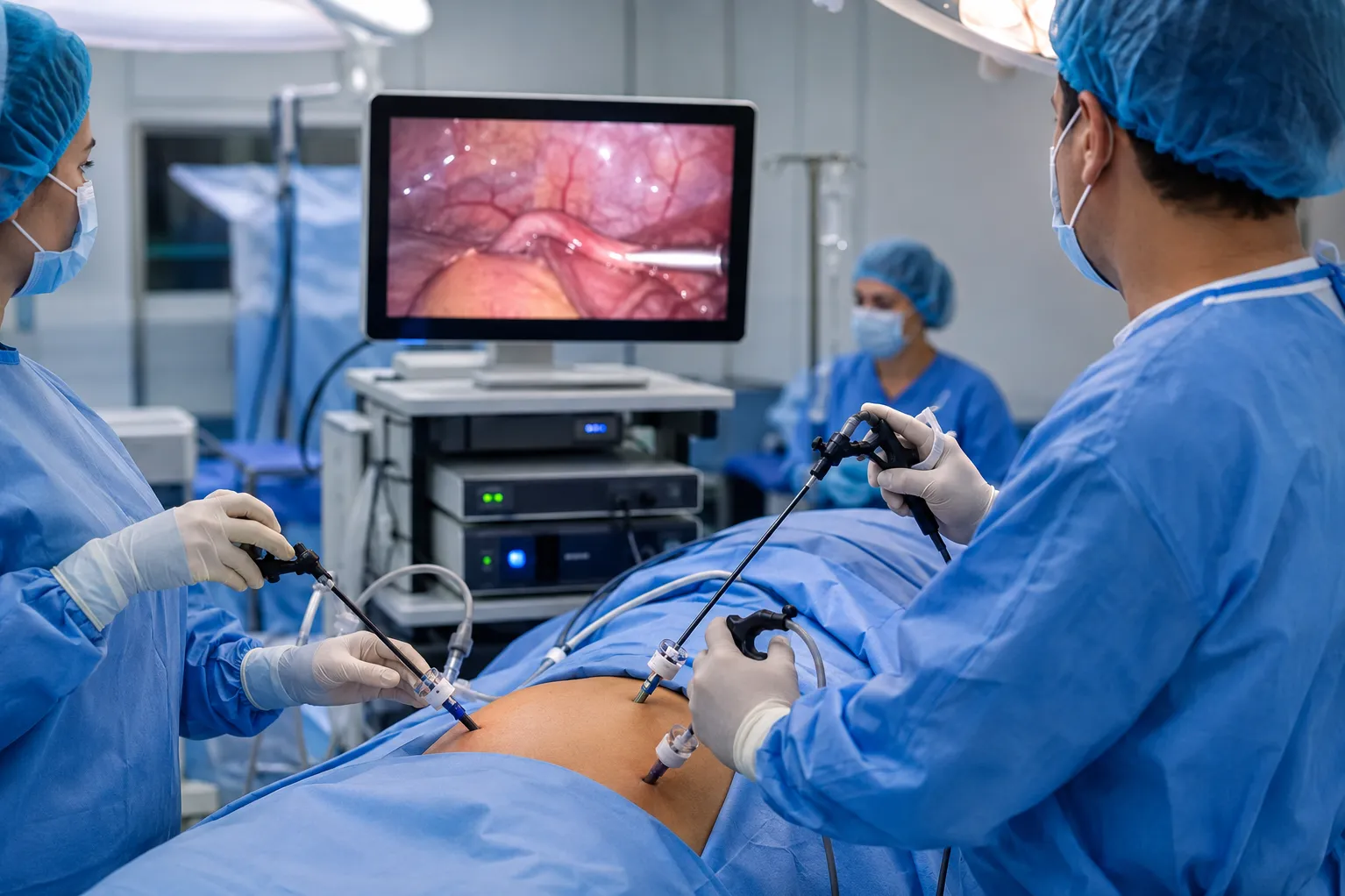
Minimally invasive appendix surgery in Pune is commonly considered when clinical evaluation and investigations indicate acute appendicitis requiring surgical treatment.
Recognising Possible Appendicitis
Appendicitis does not always begin with dramatic pain. Symptoms may initially be vague.
A common pattern is discomfort around the centre of the abdomen that later becomes more pronounced in the lower right side. Other possible symptoms include:
- Loss of appetite
- Nausea or vomiting
- Low-grade or higher fever
- Increasing abdominal tenderness
- Pain that worsens with movement
- Changes in bowel habits in some patients
Not everyone experiences the classic pattern. Children, older adults and pregnant women, for example, may have less typical symptoms.
How Doctors Confirm the Diagnosis
Clinical examination is an important part of evaluating suspected appendicitis. Blood tests may help identify signs of inflammation, while ultrasound or CT imaging may be used depending on the patient's presentation.
These investigations also help doctors consider other possible explanations for abdominal pain.
Laparoscopic Versus Open Appendix Surgery
Surgical removal of the appendix is called an appendicectomy or appendectomy.
In open surgery, the appendix is accessed through an incision in the lower right abdomen. Laparoscopic surgery uses smaller incisions through which a camera and surgical instruments are inserted.
For appropriately selected patients, laparoscopic surgery may offer advantages such as smaller wounds and easier visualisation of the abdominal cavity. It may also be useful when the exact cause of abdominal pain is uncertain and further inspection of the abdomen is required.
However, surgical technique depends on the patient's condition. In complicated appendicitis, the surgeon may need to modify the operative plan according to findings.
Why Delaying Evaluation Can Be Risky
An inflamed appendix can sometimes perforate. When this happens, infection may spread within the abdomen and result in an abscess or peritonitis.
This does not mean every episode of right-sided abdominal pain is appendicitis. It does mean that progressively worsening pain accompanied by fever, vomiting or marked tenderness deserves timely medical assessment.
Taking repeated painkillers without identifying the underlying cause can mask changing symptoms and delay appropriate treatment.
What Happens After Surgery?
Recovery depends on whether the appendicitis was uncomplicated or associated with perforation or infection.
Patients undergoing uncomplicated laparoscopic surgery may begin walking relatively early and gradually restart oral intake according to medical advice. Wound care, medications and activity restrictions are explained before discharge.
Recovery can take longer when complicated infection is present.
Surgical Evaluation in Pune
People living in Pune, Wakad and adjoining PCMC areas have access to both general and minimally invasive surgical services for acute abdominal conditions.
Dr Mahesh B Jadhav evaluates patients with suspected appendicitis and other causes of acute abdominal pain. The priority is establishing the diagnosis and determining the appropriate treatment rather than assuming surgery is necessary solely on the basis of pain location.
Appendicitis is highly treatable, but timing matters. Persistent abdominal pain that is intensifying, particularly when associated with vomiting, fever or significant tenderness, warrants assessment so that the cause can be identified and treatment planned appropriately.
Keywords